



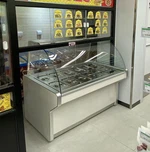
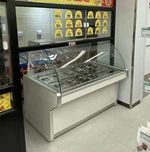


Water Purifier
Why Choose Us?
Rich Experience
Established in the year 2010, Hema have 12+ years experience in commercial food service equipment industry.
Professional Technical Team
We own 15 utility model patents, with a professional Engineer tam, we design the products by ourselves, we also accepted OEM & ODM Order.
Wide Product Range
We specialize in manufacturing and selling commercial kitchen equipment, fast food equipment, restaurant and hotel equipment.
Wide Range of Applications
We are the leading supplier of equipment for convenience store in China. Over 20,000 brand stores have used our products.
What is Water Purifier?
A water purifier removes impurities, minerals, chemicals, suspended solids, gases, and biological contaminants. It also helps reduce particulate matter such as parasites, bacteria, viruses, algae, and fungi. Water purifiers use one or more methods to decontaminate water, including reverse osmosis (RO), distillation, and UV treatment.


Advantages of Water Purifier
Improve Health
Water purifiers remove harmful contaminants such as bacteria, viruses, parasites, heavy metals, and chemicals from water, significantly reducing the risk of water-borne diseases. Water purifiers can ensure the safety of drinking water and help people stay healthy, especially in areas with poor water quality or serious pollution.
Better Taste and Smell
Water purifiers significantly improve the taste and smell of water by removing chlorine, organic compounds, and other impurities. Chlorine is often used as a disinfectant, giving the water an unpleasant taste and smell. Purified water does not have these bad tastes and odors and is suitable for drinking, cooking, and preparing beverages such as coffee and tea. It improves the quality of drinking water and improves the overall drinking experience.
High-Cost Performance
While purchasing and maintaining a water purifier requires an initial investment, it can be more cost-effective in the long run than purchasing bottled water. Using a water purifier can save you a lot of money on drinking water, especially for households with high water needs. Additionally, purchasing less bottled water helps reduce the environmental costs associated with the production and transportation of plastic bottles.
Convenient
Having a home water purifier means always having access to pure water without the need for frequent trips to purchase and transport bottled water. This is especially convenient for households with multiple members or where drinking water needs are high. Water purifiers can be connected directly to the faucet or installed in the plumbing system, ensuring that everyone in the home can have access to clean water. It saves time and effort and provides a more sustainable and reliable source of drinking water.
Prevent Contaminants
Some pollutants are invisible to the naked eye or undetectable through taste and smell. Water purifiers use a variety of filtration and disinfection technologies to ensure the contaminants are reduced, providing extra protection for the home. This is important to ensure water safety in areas where water sources may be contaminated.
Versatility
Water purifiers come in various types and sizes to suit different needs and budgets. From simple filter tanks to complex reverse osmosis systems, there are many options available to provide suitable water purification solutions for homes, offices, and industrial environments. Users can choose the most appropriate purifier type based on their specific water quality and purification needs.
Enhanced Hydration
The taste of purified water is improved, encouraging people to drink more water. Adequate water intake is important for maintaining body functions and promoting metabolism.
Types of Water Purifier
The Reverse Osmosis (RO) water purifier is one of the most popular choices in Indian households for its effectiveness in water purification. Its method is simple yet effective: forcing water through a series of four filters. First up is the sediment filter, which rids the water of pesky particles like dirt and silt. Then, the carbon filter removes chlorine and other impurities that could compromise the RO membrane’s functionality.
UV (Ultraviolet) water purification represents a well-established and effective technology renowned for its capacity to eliminate disease-causing microorganisms such as bacteria, viruses, and cysts. This eco-friendly method operates without the need for chemical additives during the purification process. Your water purifier has a chamber with a UV lamp. As water flows through, the UV light disrupts the DNA structure of any microorganisms, rendering them inactive and unable to reproduce.
Ultrafiltration (UF) purifiers reign supreme in India and are a budget-conscious choice for many households, thanks to their simple yet effective design. They utilise a simple yet clever filtration method, often relying on gravity to gently remove bacteria, viruses, dust, sand, and even chlorine from your water. Unlike reverse osmosis (RO) systems that remove dissolved contaminants, UF focuses on the physical separation of larger particles.
Activated carbon is a highly porous form of carbon, typically made from coconut shells, wood, or coal. It is processed to increase its surface area, making it highly effective in adsorption. During adsorption, contaminants, such as chlorine, pesticides, and organic chemicals that cause bad taste and odour, stick to the surface of the activated carbon. As water flows through a filter containing activated carbon, these contaminants are trapped, resulting in purified water.
A sediment filter is a pre-filter used alongside RO and UV systems. Sediments usually comprise any solid particles suspended in water, including rust flakes from pipes, sand, mud, and assorted debris, leading to decreased water clarity, termed turbidity. The sediment filter effectively traps these unwanted particles. It is typically made from cotton or polyester fibres and housed in a cylindrical form within a sealed plastic container.
Key Components of Water Purifier

1. Water Supply Connector
A water supply connector also known as a feed water supply adapter connects to the house cold water supply as the source of water to the reverse osmosis filter.
2. Pressure Regulator
A pressure regulating valve is used to protect the pre-filter housings from high pressure and water hammer.
3. Sediment Pre-filter
The sediment cartridge removes sand, grit, precipitated mineral particles, insoluble iron oxide and other debris that can clog the reverse osmosis membrane surface or plug the drain flow restrictor, causing reduced water production.
4. Carbon Filter for Chlorine Removal
Drinking water is disinfected by city utilities to prevent growth of harmful bacteria, viruses and other microorganisms that can cause searious illnesses and/or death. However, these chlorinated water supplies can deteriorate TFC membranes over time.
5. Auto Shut-off Valve (ASO Control Valve)
Conserves water by eliminating the drain flow when the tank is full. Main purpose of the ASO valve is to controls the water supply to the reverse osmosis membrane. When the pressurized storage tank fills 2/3 of the feed pressure, ASO valve cuts off the water supply to the membrane and waits until the tank is drained down to 1/3 of the feed pressure before turning water back on.
6. Reverse Osmosis Membrane
RO membrane does most of the heavy work in the system. It removes over 96% of total dissolved solids (i.e. salts, minerals, metals), microorganisms and organic substances in water. Membrane divides the water flow into two streams.


7. Check Valve
Check valve prevents pressurized filtered water in the storage tank from flowing back and rupturing the RO membrane when the ASO valve turns off the feed water pressure to the membrane. Our systems employ a check valve on the permeate (filtered water) line immediately after the membrane.
8. Post Carbon Inline Filter
A granular activated carbon polishing filter removes any remaining tastes and odors in water. Since water flows very slowly through ths filter, the "contact time" is higher and this leads to higher adsorption effectiveness.
9. Pressurized Water Storage Tank
The pressure tank in a RO system stores filtered water from the membrane permeate and provides water under pressure when the drinking water faucet is turned on.
How to Use the Water Purifier
The first and most important step is to check whether your water purifier is installed correctly or not. In case you have a traditional Indian kitchen, it is suggested that you mount up the water purifier on a wall, if you have a modern kitchen then situating your water purifier on a platform level is suitable.
Once you have installed the water purifier, make you inspect all the parts correctly. A water purifier is not just a made-up machine it contains many smaller parts that are vital to keeping the water purifier functioning. For more detailed information regarding the parts in the machine of the water purifier, do check out the user manual.
After you are done inspecting the parts, connect the water purifier to the pipe that will be allowing the drinking water inlet as well as set up the outlet to let the rejected water flow out. This step in the procedure needs to be done with extra care as you are setting up the inlet and outlet of purified and rejected water.
Make sure that the outlet water passage is placed away from the inlet drinking water passage as there are chances the rejected water may flow back into the filter which will damage the machine of the water purifier.
Now that your water purifier is carefully set up, you can plug it in and let the filtration process begin to obtain safe water.
It is extremely important to let the first few liters of purified drinking water flow away as the machine is new and the system needs some time to get acquainted with the flow of drinking water.
The membranes of RO, UV, and UF are new and thus the first water filtered through them is not considered fit for drinking.
The last step of this process is to check the level of TDS i.e., the total dissolved solids level of the mineral water. Anything below 500 ppm is fit for drinking. The TDS control feature reduces 90% of the risks present in the water making it perfectly safe and clean to consume. It is advisable to buy water purifiers that come with all three- RO, UV & UF technologies as they complement each other and deliver safe and clean drinking water.
Some Common Techniques Used in Water Purifiers
Filtration
Filtration is one of the most widely used methods in water purifiers. It involves passing water through a physical barrier that traps and removes larger particles, sediments, and visible impurities. Some filters also use activated carbon to remove chlorine, odors, and organic compounds, making the water taste and smell better.
Reverse Osmosis (RO)
RO is a highly effective technique for removing dissolved impurities, heavy metals, and harmful contaminants from water. It employs a semi-permeable membrane that allows water molecules to pass through while blocking pollutants and larger particles.
Ultrafiltration (UF)
UF is similar to RO but uses larger pores in its membrane to filter water. It can effectively remove bacteria, viruses, and other microorganisms from the water.
Ultraviolet (UV) Purification
UV purifiers use ultraviolet light to disinfect water and eliminate harmful microorganisms like bacteria and viruses. It is a chemical-free process that ensures the water remains free from pathogens.
Distillation
Distillation involves heating water to create steam, which is then condensed back into liquid form. This process separates impurities and contaminants, producing purified water.
Factors That Affect the Lifespan of Water Purifier
Quality of Water Matters
The quality of the water being filtered is a significant determinant of a purifier’s lifespan. Water sources with high levels of contaminants, sediment, or minerals might cause filters to wear out faster. Regular maintenance and cleaning are essential, especially in areas with poor water quality, to prolong the life of the purifier.
Type of Water Purification Technology
Different water purification technologies have varying lifespans. For instance, activated carbon filters commonly used in many purifiers need replacement more frequently, especially in areas with high pollution levels. On the other hand, reverse osmosis (RO) membranes have a longer lifespan but may degrade faster if exposed to highly contaminated water.
Maintenance and Cleaning
Regular maintenance and cleaning are paramount in extending the lifespan of your water purifier. Filters need to be replaced or cleaned as per the manufacturer’s recommendations. Neglecting these essential tasks can lead to reduced efficiency and a shortened lifespan for your purifier.
Investing in Quality Filters
The quality of the filter you choose significantly impacts the durability of your water purifier. High-quality filters, although often more expensive, tend to last longer and offer superior filtration performance. Investing in a reputable brand and genuine replacement parts can contribute to a longer lifespan for your purifier.
Environmental Factors
Environmental conditions, such as humidity and temperature, can affect the lifespan of water purifiers. Extremely humid conditions might promote the growth of mold and bacteria within the purifier, while extreme temperatures can damage internal components. Proper installation and placement in a suitable environment are essential to avoid premature wear and tear.
5 Tips for the Maintenance of Water Purifier at Home
Regular Filter Replacement
One of the most critical aspects of water purifier maintenance is ensuring that the filters are replaced at regular intervals. Over time, the filters in your purifier accumulate dirt, sediment, and other impurities from the water, reducing their effectiveness. It's recommended to follow the manufacturer's guidelines for filter replacement frequency, typically every 6 to 12 months, depending on usage and water quality. By replacing the filters on time, you can ensure that your water purifier continues to deliver clean and safe drinking water.
Clean the Membrane
The membrane is the heart of your water purifier, responsible for removing dissolved salts, heavy metals, and other harmful contaminants from the water. Over time, the membrane can become fouled with impurities, affecting its performance and reducing water output. To maintain optimal performance, it's essential to clean the membrane periodically. You can use a mild detergent solution or a specialized membrane cleaning solution to gently clean the membrane and remove any accumulated debris. Regular membrane cleaning will help extend its lifespan and ensure efficient purification.
Sanitize the Water Tank
The water tank in your purifier stores purified water for later use, providing a breeding ground for bacteria and algae if not cleaned regularly. To prevent bacterial growth and ensure the quality of stored water, it's essential to sanitize the water tank periodically. You can use a mixture of water and chlorine bleach or a food-grade disinfectant to clean the tank thoroughly. After sanitizing, rinse the tank with clean water multiple times to remove any residual disinfectant. Regular tank sanitization will help maintain water purity and prevent contamination.
Check for Leakages
Water leakages are a common issue in water purifiers and can occur due to loose fittings, damaged tubing, or worn-out seals. Regularly inspect your purifier for any signs of leakages, such as water puddles or dampness around the unit. Pay close attention to connections, fittings, and tubing, and tighten or replace any components that show signs of wear or damage. Addressing leakages promptly will not only prevent water wastage but also extend the lifespan of your water purifier.
Schedule Professional Servicing
While regular maintenance tasks can help keep your water purifier in good condition, it's also essential to schedule professional servicing at least once a year. A trained technician can perform a comprehensive inspection of your purifier, identify any potential issues, and address them before they escalate into major problems. Professional servicing may include thorough cleaning, replacement of worn-out parts, and performance testing to ensure that your water purifier is operating at peak efficiency. Investing in professional servicing will help prolong the lifespan of your purifier and maintain water quality.
How to Select the Best Water Purifier?
Water Quality
Most of the water supplied to your home is hard water, which means it contains a high level of TDS (Total Dissolved Solids). TDS in water is a mixture of organic and inorganic elements, such as minerals and ions, that are dissolved in a specific amount in water. Inorganic salts such as calcium, magnesium, potassium, sodium, bicarbonates, chlorides, and sulphates are found in total dissolved solids in water. An RO (reverse-osmosis) system is the best water purifier for removing these inorganic compounds.
Water Pressure
The type of filter you need depends on the flow velocity of the incoming water supply. With high water pressure, a reverse osmosis system would operate well. Water pressure is affected by the height of your building as well as other factors such as clogged filters and blocked pipes. A pressure of 5-40 pounds per square inch is required for most water purifiers. If your home’s water supply has low pressure, a booster pump can be used in connection with a RO system. If your water supply has less TDS, you could use an activated carbon purifier instead.
Storage capacity
Analyse your family’s daily water consumption to determine the purifier’s required capacity. Purifiers with a large water storage capacity perform effectively in areas where electricity varies frequently.
For 2-4 members we recommend a storage capacity of 5-8 litres
For 4-6 members we recommend a storage capacity of 8-10 litres
For more than 6 members, a storage capacity of 10 litres is recommended
Electricity
When it comes to water purifiers, electricity is important. Many of them cannot function without electricity, making them unsuitable for houses with severe power outages. If there is no electricity, an ultraviolet (UV) filter will not work since it relies on energy to produce ultraviolet radiation that kills bacteria. An RO system would not function without electricity because it relies on electricity to supply sufficient water pressure to the RO membrane. Activated carbon purifiers, like sediment filters and ultrafilters (UF), do not require electricity.
Purification technology
Heavy metals such as lead, arsenic, magnesium, copper, and iron can be harmful if large amounts are consumed in contaminated water. These metals are more common in water because of the rise of industrial and city infrastructure. Contamination with nitrates is also a major concern. Reverse osmosis reduces dissolved and suspended pollutants, thus it’s a good idea to invest in a RO system. Another type of filter to consider is an ultraviolet (UV) filter, which disinfects the water. With the UV lamp’s light, dangerous bacteria cannot multiply in a UV filter.
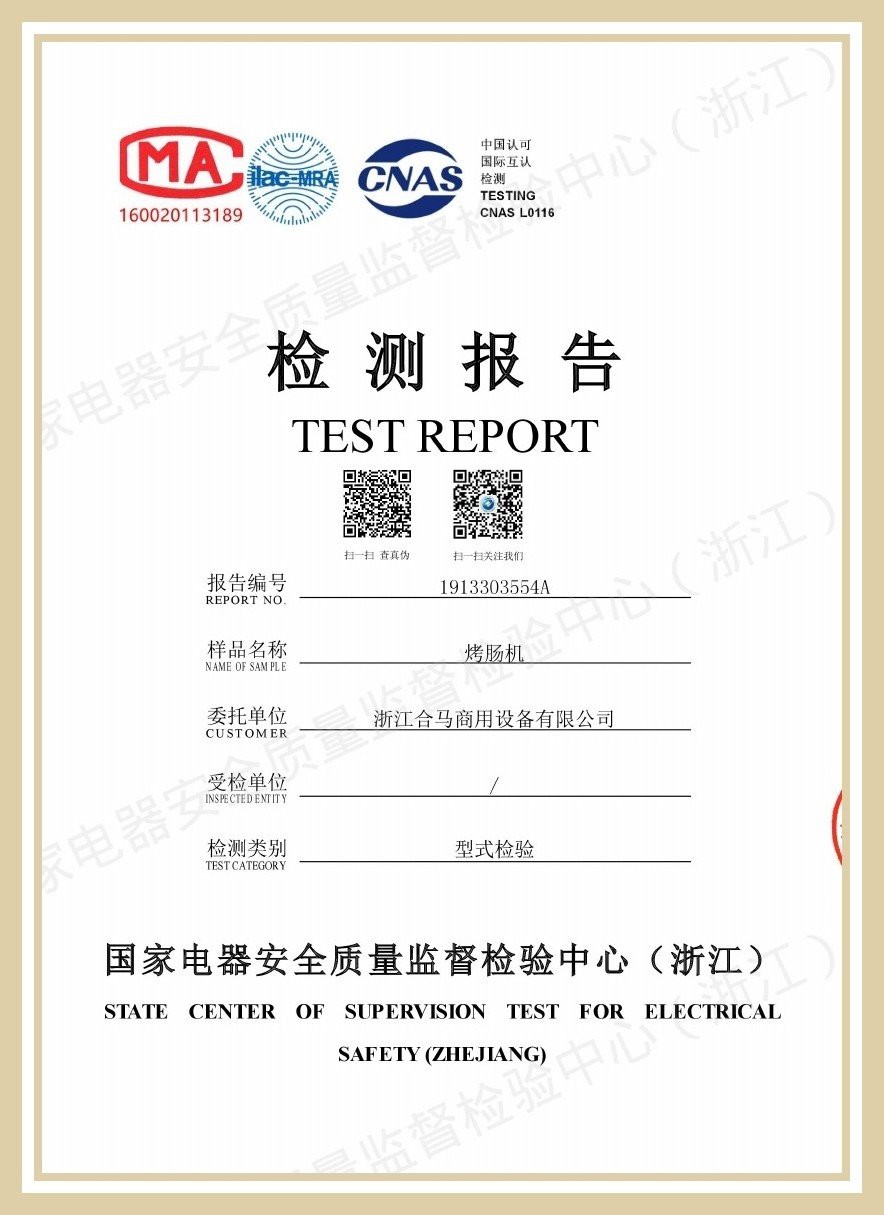
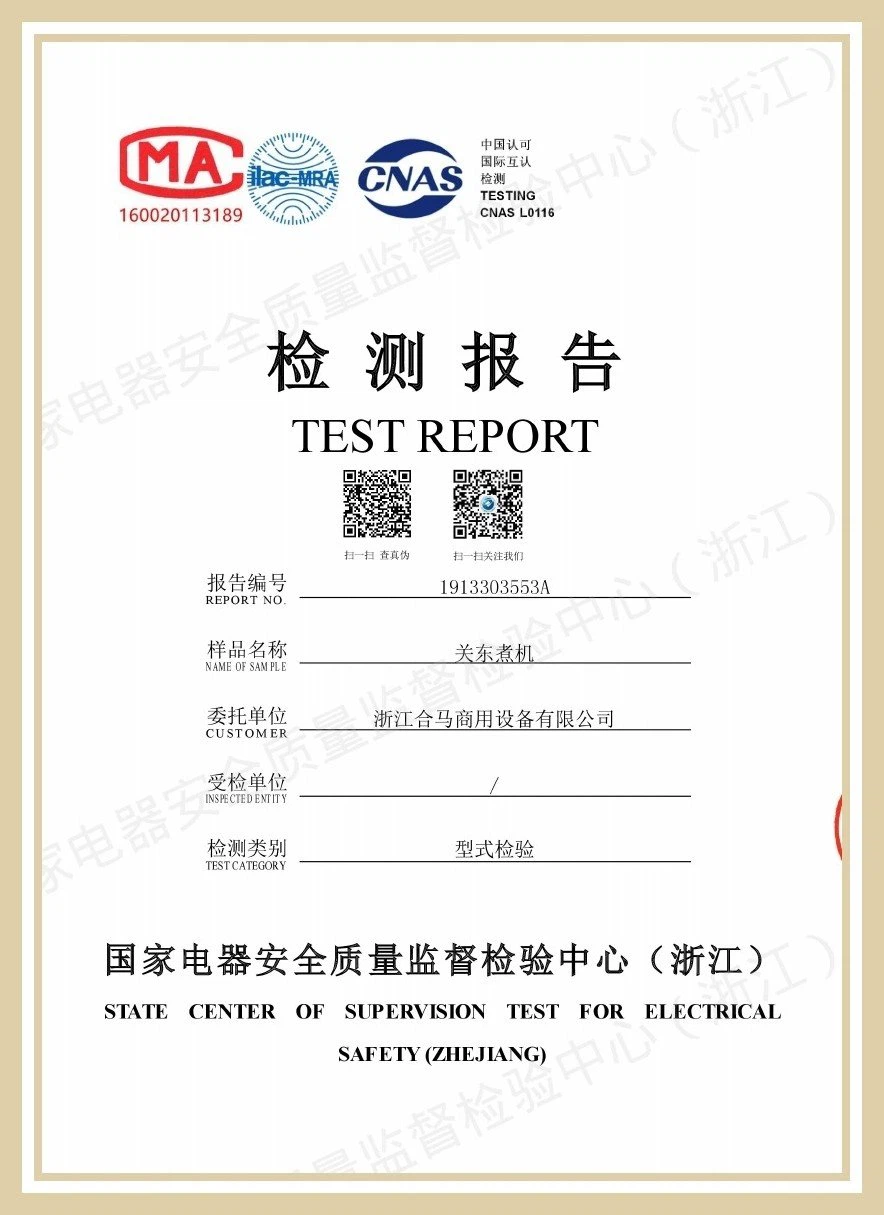
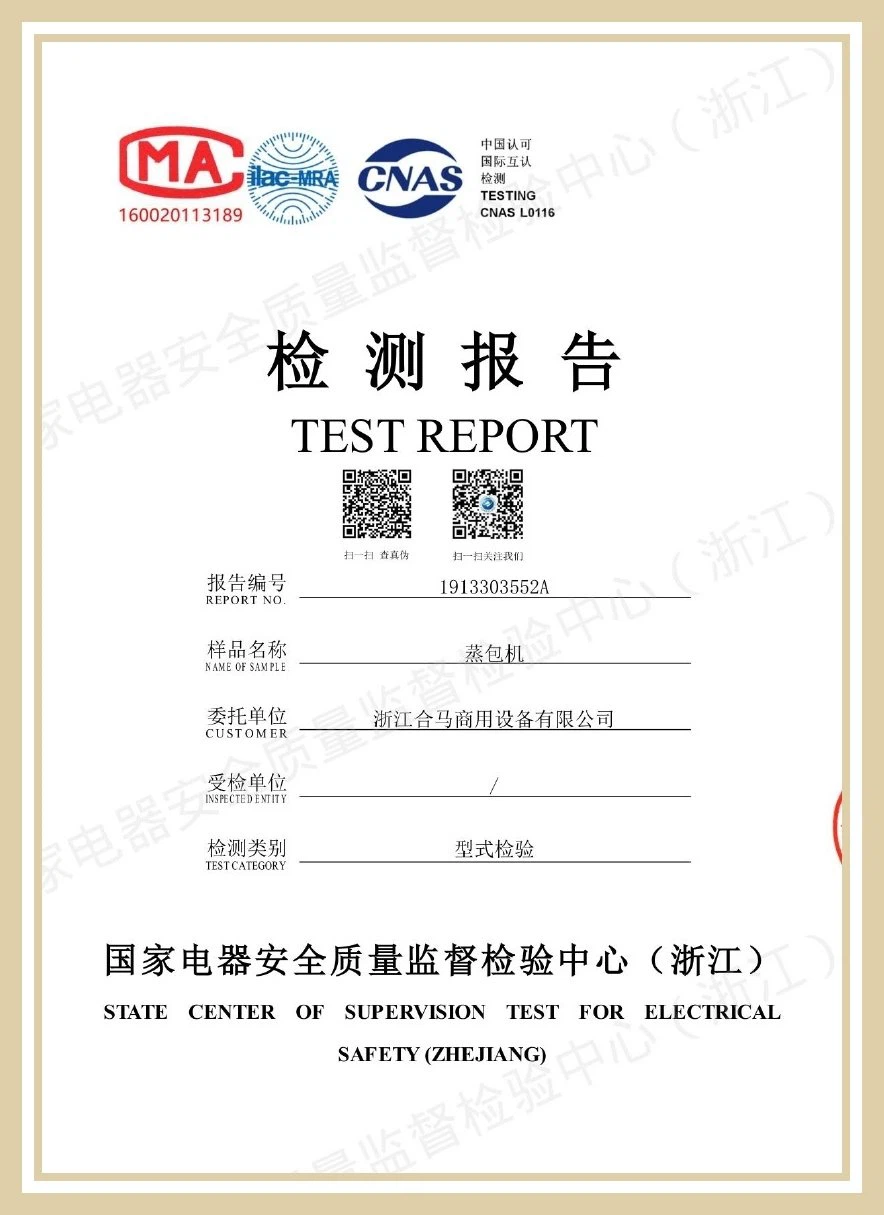
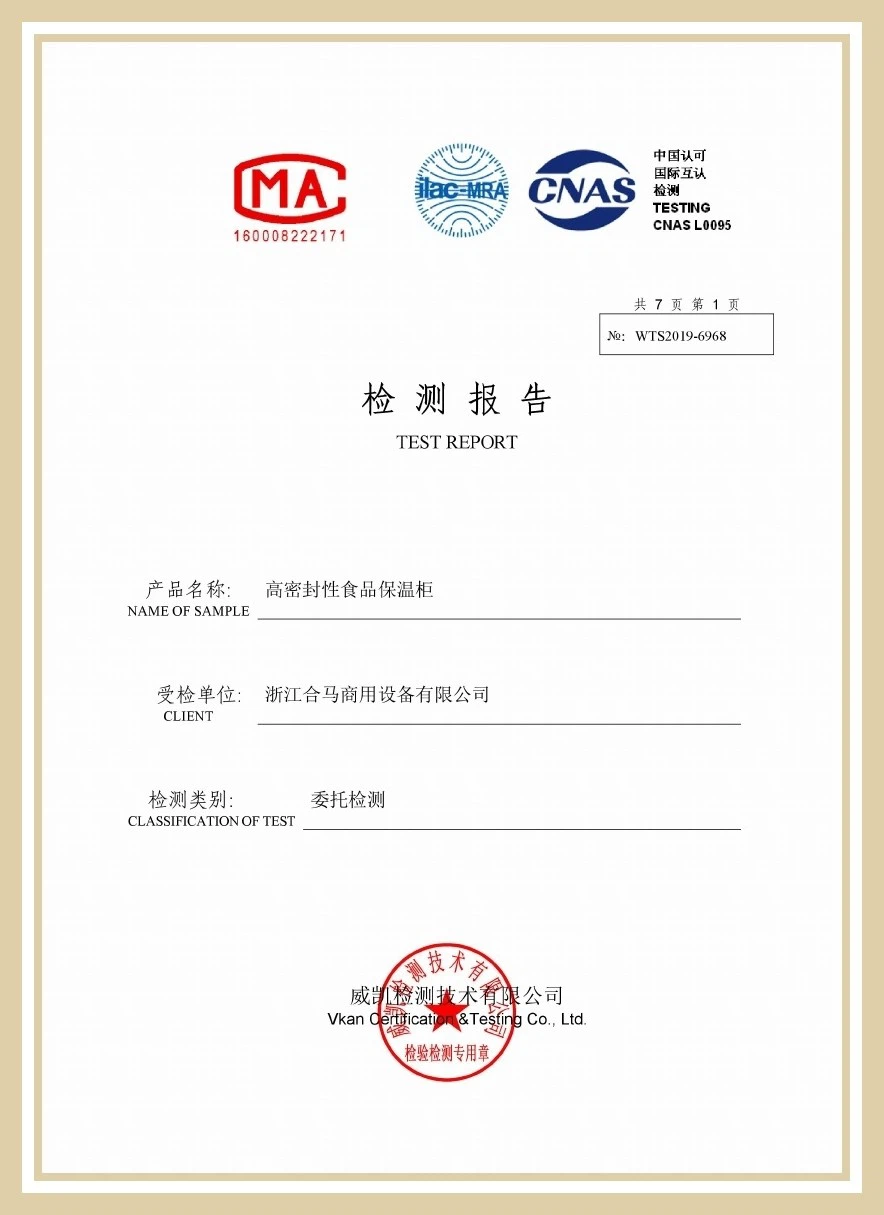
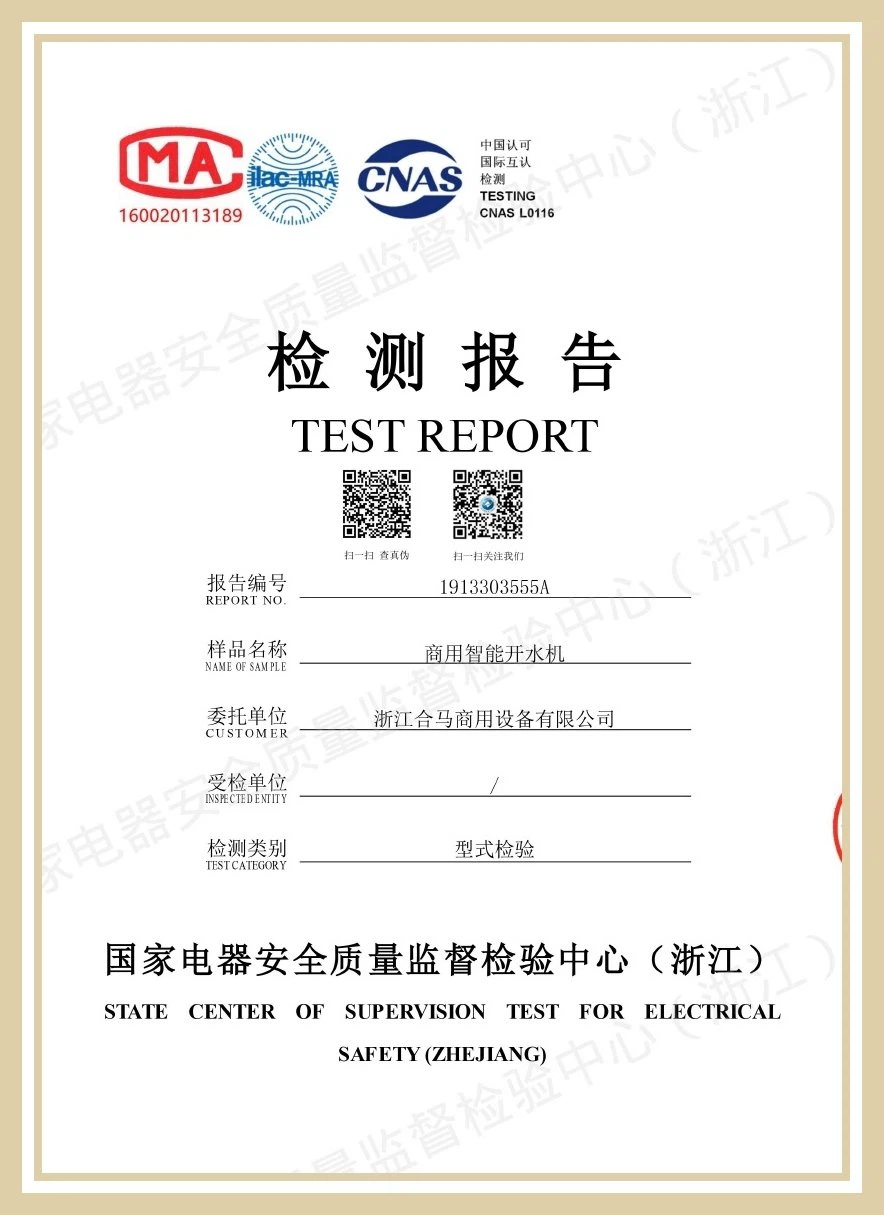
Our Certifications

Our Factory
Established in the year 2010, Hema have 12+ years experience in commercial food service equipment industry. We specialize in manufacturing and selling commercial kitchen equipment, fast food equipment, restaurant and hotel equipment. With qualified team in engineering, production and after-sales service, we supply many international convenience store, fast food store, restaurant and cafe shop with high quality products and service. We are the leading supplier of equipment for convenience store in China. Over 20,000 brand stores have used our products.


Ultimate FAQ Guide to Water Purifier