



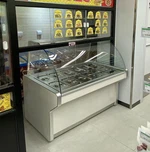


Commercial Refrigerator
Why Choose Us?
Rich Experience
Established in the year 2010, Hema have 12+ years experience in commercial food service equipment industry.
Professional Technical Team
We own 15 utility model patents, with a professional Engineer tam, we design the products by ourselves, we also accepted OEM & ODM Order.
Wide Product Range
We specialize in manufacturing and selling commercial kitchen equipment, fast food equipment, restaurant and hotel equipment.
Wide Range of Applications
We are the leading supplier of equipment for convenience store in China. Over 20,000 brand stores have used our products.
What is Commercial Refrigerator?
A commercial refrigerator, as the name suggests, is a cooling system used primarily in business settings such as restaurants, supermarkets, or cafeterias. Commercial refrigerators have a larger storage space, robust construction, and most importantly, they abide by stringent food safety regulations. They are engineered to cool food items quickly, a feature vital to prevent harmful bacteria growth and maintain food’s nutritional value. Another key difference lies in the temperature consistency. Commercial refrigerators maintain a more steady temperature, which is crucial in a commercial food setting where the door is often being opened and closed.


Advantages of Commercial Refrigerator
Better prices
One advantage of investing in a commercial refrigerator is storing products that are not in season or those that have an increase in price in later days. By storing these products in advance, you can save a lot of money. This subsequently leads to more sales and new business opportunities for you.
Meet different customer demands
Different people with a diverse range of tastes and demands will visit your food establishment. You can order and store different products, such as different cuisines to meet different customer demands. For instance, you can order an Italian grocery to cater to those customers who love Italian food. This is why large settings have a couple of commercial refrigerators at hand.
Energy efficient
Commercial refrigeration is hugely convenient when it comes to saving energy. The make and maintenance of the systems are done to ensure energy efficiency in terms of electricity. This way, you never have to worry about skyrocketing electricity bills every month.
Longevity
Most commercial fridges are made from high-quality materials to guarantee longevity. Top-quality steel is used in shelves and cabinets so that they remain strong for years to come. The same quality goes for every component of the commercial refrigerator.
An excellent display area
Most commercial refrigerators are designed to display your food products. The display area offered by these appliances is a great way of attracting customers. The glass door allows your customers to see your products clearly, which increases their purchase intent. Hence, you should ensure that you place your fridge in a strategic place where your customers can easily see it.
Long-term investment
The initial cost of a commercial fridge is relatively reasonable. Several long-term advantages come with this investment, including providing an aesthetic look to your business and turning it into a remarkable marketing tool. Over time, the results will speak for themselves.
Types of Commercial Refrigerator
Display Fridges/Freezers
An ideal solution for self-service in supermarkets, cafes and restaurants, display fridges and freezers provide an excellent view of the current products available, displaying them in an aesthetically pleasing manner that entices customers. Restaurants and bakeries will often use display fridges/freezers to showcase their products and attract customers. You will also typically find display fridges in small shops and supermarkets, often for Coca-Cola and other fizzy drinks, whilst display freezers will typically include frozen meats, vegetables and dairy products.
Bottle/Wine Coolers
Extremely commonplace in pubs, bars and restaurants up and down the country, wine and bottle coolers are the perfect display solution for your chilled beverages. Often installed behind the bar, a bottle/wine cooler display fridge will provide your customers with a clear indication of your current range of drinks available, all whilst ensuring they remain at the optimum temperature.
Multi Decks
Sometimes referred to as open front chillers, multidecks are an ideal solution for ‘grab and go’ produce, such as sandwiches, drinks, fruit and refrigerated snacks. They have multiple tiers with well organised and displayed produce to entice customers and encourage self-service. Perfect for maintaining an inviting aesthetic with an optimum temperature, multidecks are highly commonplace.
Cake Display Refrigerator
Occasionally referred to as ‘patisserie displays’, cake display refrigerators are perfect for showcasing your luxury cakes, chocolates and pastries. As with the above examples, an effective, impactful and well-designed layout of produce visible through a commercial display fridge is an excellent way of inviting your customer in and improving the chances of sales.
Deli/Cheese Counter
Many independent shops and commercial supermarkets are utilising display fridges as a means to showcase their fresh deli meats and cheeses. Typically positioned behind a counter, a commercial display fridge will offer your customers a clear visual of cured meats and specialist cheeses, drawing in customers and profit.
Compressor
The compressor is at the heart of all commercial refrigerators. The compressor is what pushes compressed refrigerant gas through a commercial unit's system. As the gas is pushed through commercial units it is squeezed. This makes it hotter.
Condenser
The condenser helps to release heat taken from the chilled compartment. This heat exchange radiates heat into the environment. A commercial refrigerator’s condenser is often located on the outside of a building. It’s made of several coils or fins that help release heat into the surrounding water or air.
Evaporator
The evaporator is what takes the heat out of refrigeration systems. You’ll find the evaporator inside the refrigeration system. It consists of several fins or coils which allow the refrigerant to collect heat from the water or air that surrounds it.
Expansion Valve
The flow of refrigerant is controlled by the expansion valve. It lowers the refrigerant’s temperature and pressure to regulate the rate at which it flows into the evaporator.
Thermostat
A thermostat controls the temperature inside the refrigerator. It detects the temperature and then sends signals to the control board to turn the compressor on or off. The thermostat helps to ensure walk in coolers and other refrigeration solutions maintain a steady temperature.
Cooling System
A commercial refrigeration device will have one of two types of cooling systems.
Direct Cooling System: A direct cooling system has one exchanger that directly cools the air that circulates inside the refrigeration device.
Indirect Cooling System: An indirect cooling system cools an intermediate fluid. This then freezes or cools an element.
Refrigerant
This is not a component, but it has a crucial part to play. The refrigerant absorbs and releases heat in a commercial refrigerator. Under certain temperatures and pressures, the refrigerant condenses and evaporates.
8 Effective Ways To Control Mold Growth In Commercial Refrigerators
Keep the Unit Dry
Excessive moisture is a breeding ground for mold. Regularly check for any leaks or condensation inside the refrigerator and address them promptly. Wipe down any moisture or spills with a clean, dry cloth.
Minimize Condensation Levels
Condensation occurs when warm air enters the refrigerator and comes into contact with cold surfaces. To minimize condensation, ensure proper insulation and sealing of the refrigerator. Check the door seals regularly and replace them if damaged. This will help maintain a consistent temperature inside the unit and reduce the likelihood of mold growth.
Keep the Doors of Your Freezers or Coolers Closed
Frequent opening and closing of refrigerator doors can introduce warm air, causing temperature fluctuations and promoting condensation. Train your staff to minimize door openings and encourage them to retrieve items efficiently. Consider installing self-closing doors.
Clean up Water Spills Immediately
Water spills or leaks should never be ignored, as they create an ideal environment for mold to thrive. Act swiftly to clean up any water spills or leaks in the refrigerator. Use a disinfectant or a mixture of water and vinegar to sanitize the affected area. Dry the surface thoroughly to prevent moisture accumulation.
Temperature Control
Maintaining the appropriate temperature is crucial in preventing mold growth. Commercial refrigerators should be set to a temperature range of 32°F to 40°F (0°C to 4°C) to inhibit mold growth.Also it is better to follow product manual as every refrigerator has its own efficiency. Regularly monitor and calibrate the temperature settings to ensure optimal conditions.
Proper Food Storage
Proper food storage plays a significant role in mold prevention. Encourage your staff to follow the first-in, first-out (FIFO) principle when stocking items. This ensures older items are used first, reducing the chances of food spoilage and mold growth. Additionally, store food items in airtight containers to minimize exposure to moisture and prevent cross-contamination.
Proper Air Circulation
Maintaining adequate air circulation inside the refrigerator is essential to control humidity and prevent mold. Avoid overstocking the refrigerator, as it can obstruct airflow. Organize items in a way that allows for proper circulation and prevents the formation of stagnant air pockets. Regularly clean the vents and air filters to ensure unobstructed airflow.
Regular Inspections
Frequent inspections are key to identifying and addressing any potential mold issues early on. Establish a regular maintenance schedule to inspect the refrigerator, focusing on areas prone to moisture buildup, such as drip pans, drains, and water lines. Promptly address any signs of mold growth and undertake necessary repairs or replacements.
What’s the Difference Between a Domestic and a Commercial Refrigerator?
Storage
The refrigerators in our homes are great for daily use and storage. Domestic refrigerators come in a particular size range and are easy to move and fit into our homes. However, there’s a flipside to this, household refrigerators cannot be stocked with extremely large quantities of produce which is essential in commercial kitchens. On the other hand, commercial refrigerators are larger, versatile and are engineered to store vast quantities of produce and bring temperatures down much faster than domestic refrigerators. They are available in various sizes and are perfect for the restaurant and hotel industry.
Cooling Capacity
Home refrigerators chill products efficiently at specific temperatures.
Domestic refrigerators cannot maintain the necessary temperature if the door is opened and closed frequently, which puts a huge strain on its cooling system, fans and compressors. This delays the circulation of cold air causing food to go bad and the refrigeration unit to break down. In this regard, commercial refrigerators are powered with bigger industrial grade compressors and fans. A restaurant refrigerator is specifically engineered to maintain ideal storage temperatures for continuous long- term usage. It keeps goods and produce fresh even if the door is opened and closed constantly. By maintaining the ideal temperature for food and beverages, a commercial refrigerator gives fresh produce an extended lifespan.
Build
Household refrigerators are usually manufactured using fragile materials which are not as sturdy compared to their commercial counterparts. In contrast, commercial units have far more effective cooling and storing potential. Their exteriors are often stainless steel or scratch-resistant and polished glass. These refrigerators are heavy duty and built to withstand increased wear and tear and resist corrosion while complementing the clean, modern aesthetic of a store or professional kitchen.
Energy consumption
Commercial and domestic appliances are evaluated differently for energy consumption, based on their size, function, and power usage. When it comes to saving power, commercial refrigerators may consume more energy than a domestic unit. But they more than make up for it by having a consistent cooling system, temperature maintenance and increased storage capacity that commercial kitchens require in order to meet the industry standards for food safety and storage.
Maintenance
Home refrigerators require very little maintenance and use less energy compared to commercial refrigerators. Their advantages in terms of huge storage, chilling capacity, enhanced efficiency, and powerful compressor easily outweigh the disadvantages. Routine maintenance and servicing of commercial refrigerators will keep them running smoothly for years which makes them a good investment, whereas domestic refrigerators need to be replaced frequently due to wear and tear.
Diversity
There isn’t much variety in home refrigerators. They are limited when it comes to size, capacity and do not offer much in terms of internal and external design.
How to Organize Your Commercial Refrigerator
First In First Out (FIFO) means that old products should be sold first. You should store the foods which are open, old, and near expiry date on top or in front of the refrigerator so that you can use them first. Label the products by their expiry date in visible letters to locate them without any difficulty. Schedule inventory checks at regular intervals to ensure that foods move in a FIFO manner.
The juices from meat packets can spill and contaminate other products if there is a tear or breakage. Hence, you should always store meat products on lower shelves of the refrigerator. If you have a large size refrigerator, you use open wire shelving to store meat at different levels. The fast-moving and ready-to-eat items can go on the top shelf.
It is tempting to stock as much as possible food in the refrigerator for commercial purposes to use the space efficiently and avoid buying another unit. However, an overstocked freezer will reduce the cooling ability and slow down the air circulation. Moreover, you will have to move several items here and there to find the right item.
Ensure that you don’t keep any food directly on the floor of the commercial refrigerator. It is vulnerable to contamination, dirt, and pest infestation. Store the food at least 3-6 inches above the floor. Most refrigerators have in-built shelves or else you can buy them from the dealer or supplier.
Labeling standardizes the entire process of the organization. It helps you to find things easily and put them where they belong. Put color-coded labels on every shelf, drawer, or compartment of the refrigerator indicating what item should go there.
Some foods like greens and berries can spoil quickly if you keep them near the internal fans of the refrigerator. While these fans are necessary for the circulation of air, they can damage the food. Hence, store the food in sealed containers and at some distance from the fans.
Safety Tips to Follow When Using Commercial Refrigerator
Keep The Refrigerator Clean
Your commercial refrigerator should be clean and tidy. Clean the shelves, interior walls, handles, and exterior parts more frequently. Ensure that the interior and exterior of the unit are dry and there is no water spillage or moisture build-up.
Check for Leaks
HVAC, ventilation or refrigerant issues can lead to leaks around your commercial refrigeration unit or in its drain pipe. Undetected leaks can not only impact the cooling process but also be a slip-and-fall hazard. Make sure to keep an eye on leaks and clean them thoroughly. In the event of any major issues, get them checked and repaired by a technician.
Maintain It At The Right Temperature
Refrigerators for commercial applications require operation at the right temperature for food safety. Keep an eye on the thermostat to monitor and calibrate the internal temperature. Ensure an optimal temperature based on your stored items.
Don’t Overload Your Refrigerator
Air needs to circulate properly to keep items in the refrigerator for commercial use fresh. An overloaded refrigerator may not be able to maintain the desired temperature and cause food spoilage. Therefore, you should assess your usage beforehand and purchase a commercial refrigeration unit that matches your needs.
Keep the Fans Unobstructed
Fans in your commercial refrigeration units keep the hot air out. Any obstructions can impact the workings of the fan and overheat the refrigerator. Overheating leads to high utility bills, breakdown of the unit and, worse, can be a major safety hazard. Regularly check the fans and keep them clean and unobstructed.
Inspect Your Fridge Regularly
You can avoid most commercial refrigeration issues through early inspection. Check for dents on the exterior and interior parts, clogged coils, damaged shelving, water supply line defects, frost formation, etc.
Wear Protective Clothing
You or your staff should wear protective clothing, such as suits, boots, gloves, and headgear, while using walk-in commercial refrigeration units, cold storage units, and loading docks to protect against sub-zero temperatures and other safety hazards.
Install An Alarm System
You should install an alarm system if you have a walk-in commercial refrigeration unit. The alarm should be loud enough to call for any help.
4 Things to Consider When Buying a Commercial Refrigerator
Location
The location where you want to install your commercial refrigerator is crucial in informing your purchase. Choose a spot near the kitchen or inside the kitchen, a spot which is optimal for the smooth functioning of your kitchen or cooking space. It is important to evaluate and measure the space of the place so that you can purchase the exact unit that can be placed within it. Always evaluate the space in the kitchen, before investing in a commercial refrigerator.
The type of food that you need to store
Food items are going to be an important factor while making a purchase of commercial refrigeration, as it will determine the type of refrigeration system you need. Is it going to be milk products or ice creams, that you need to store then a deep-freezer will be your ideal system. If you are planning to store aerated drinks or juices, then go for a visi-cooler. If you are a confectioner, then a pastry cabinet is all that you need.
Size of the Refrigeration Unit
Evaluating the space that you have assigned for the refrigeration system is important. In India, if you are a small-scale food entrepreneur, struggling to make space for the kitchen or store raw items, then it is advisable to buy two or three small units based on the quantity of food. But never let your refrigeration system take up more space of your kitchen, as it will interfere with the other tasks.
Choosing the right brand
Your purchase can be an investment or wastage based on the brand you select for purchase, when it comes to commercial static refrigeration unit. Always make your purchase after reading the customer reviews. A reliable brand can offer you the right kind of services, when it comes to untimely repairs in pre-warranty period. Never take your refrigeration purchase lightly, ensure every factor and then go for it. It is decision that can affect your profit and time in the long run.
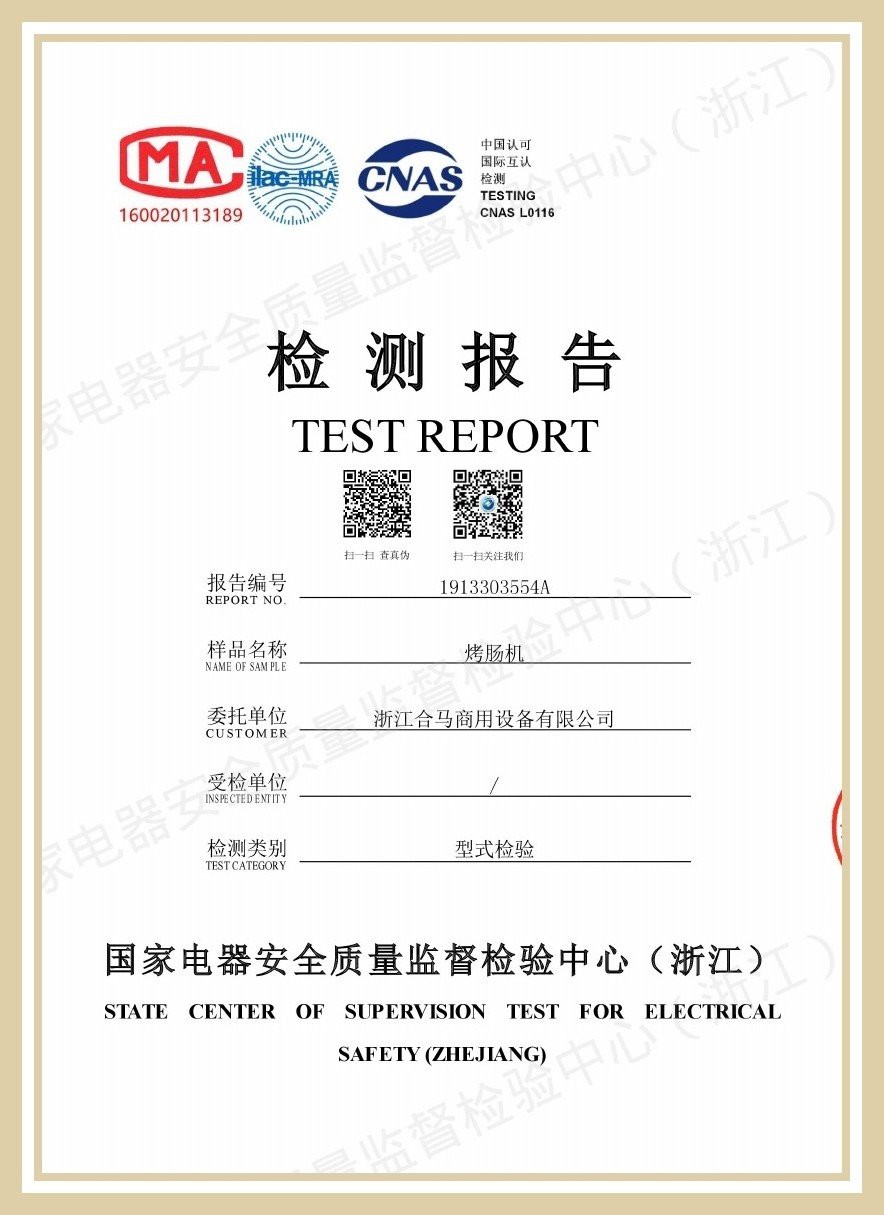
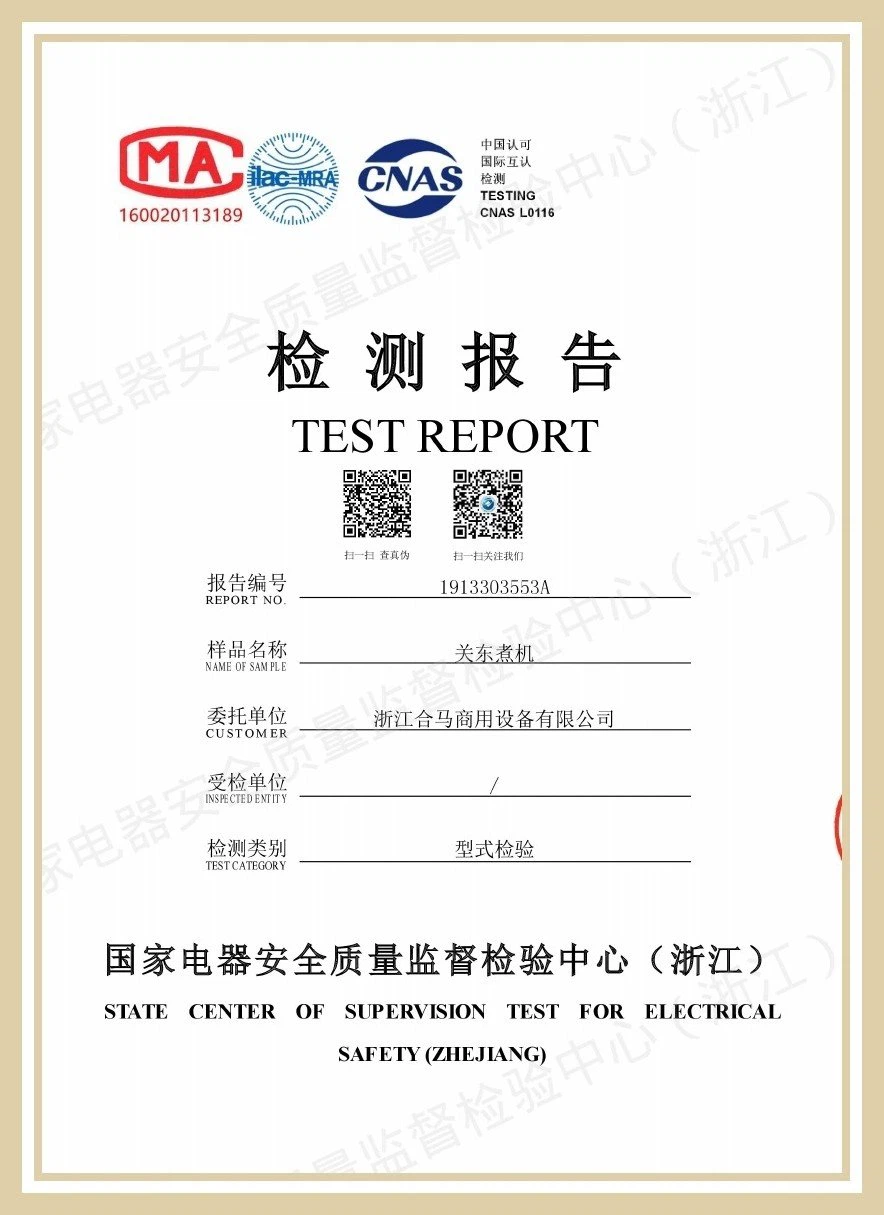
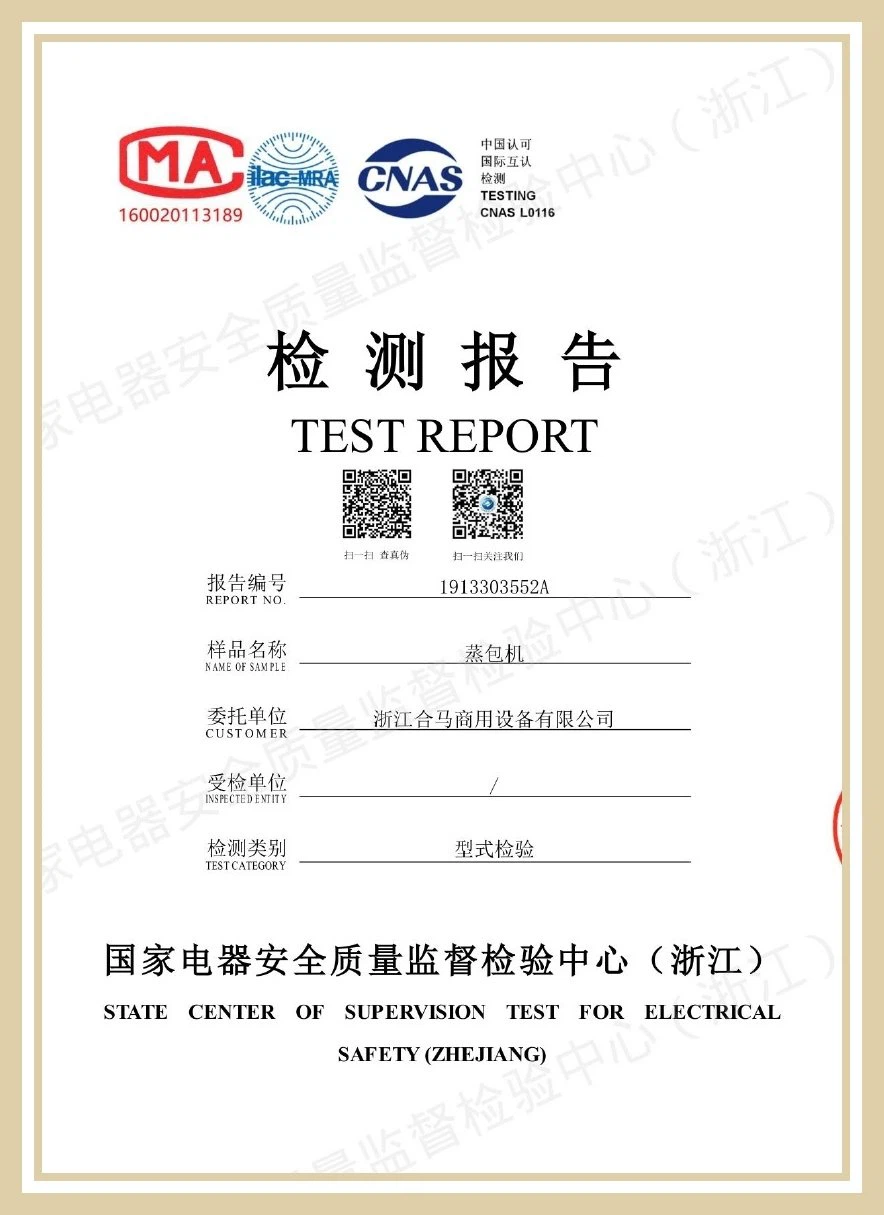
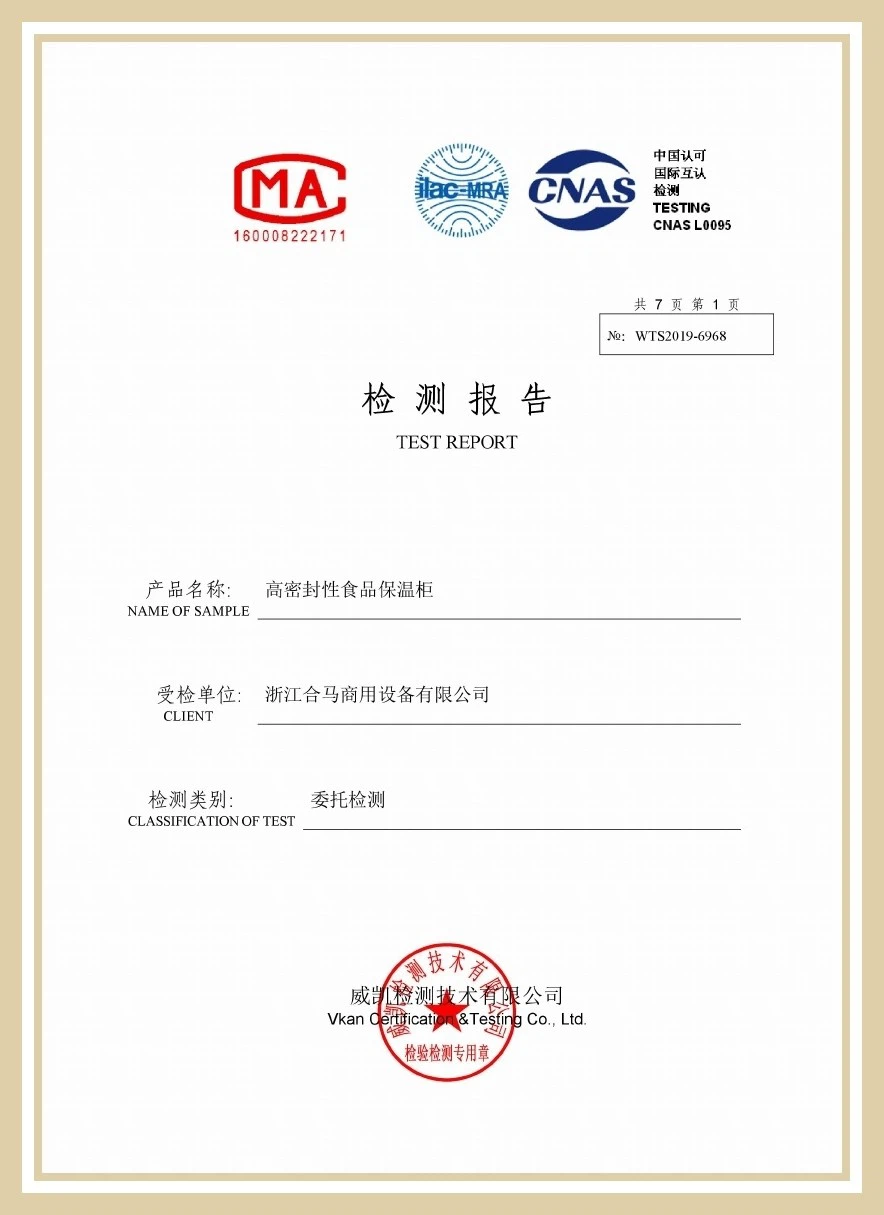
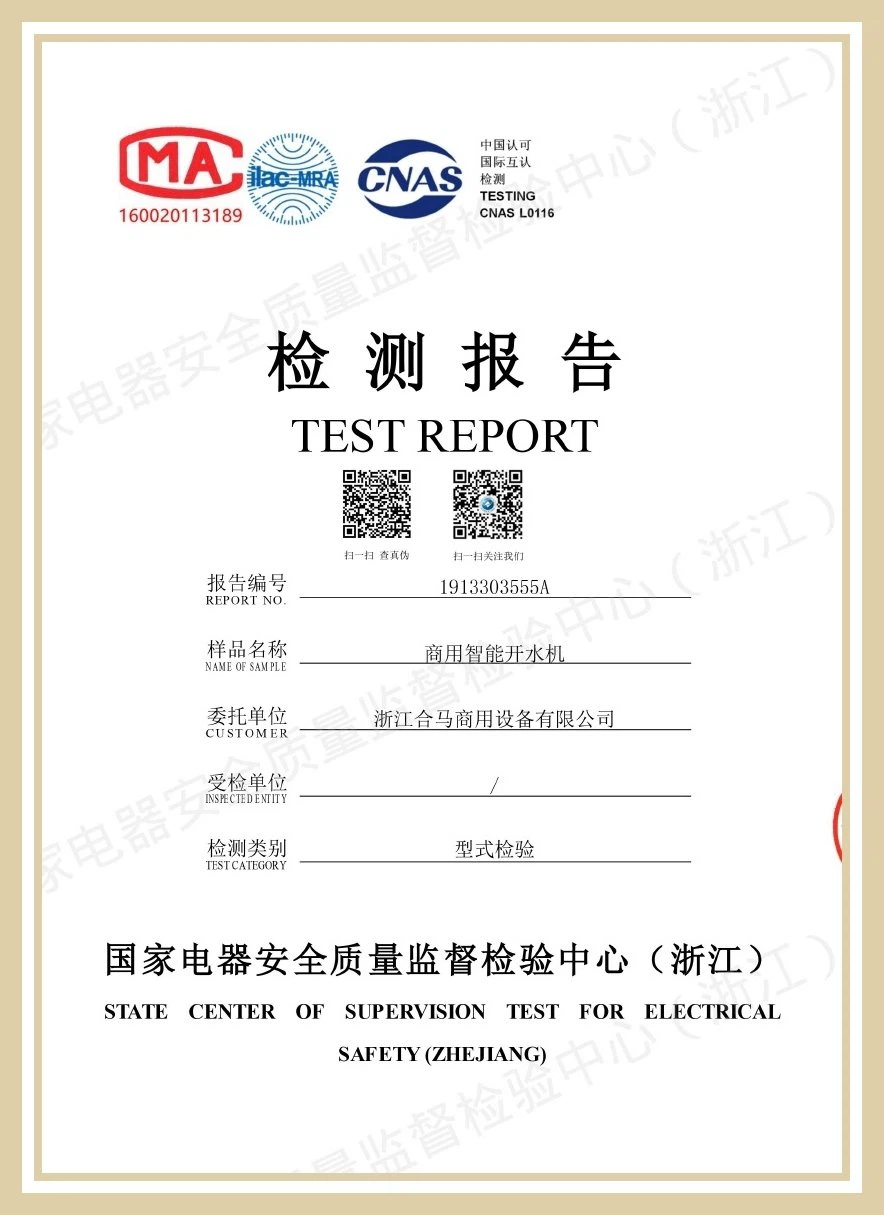
Our Certifications

Our Factory
Established in the year 2010, Hema have 12+ years experience in commercial food service equipment industry. We specialize in manufacturing and selling commercial kitchen equipment, fast food equipment, restaurant and hotel equipment. With qualified team in engineering, production and after-sales service, we supply many international convenience store, fast food store, restaurant and cafe shop with high quality products and service. We are the leading supplier of equipment for convenience store in China. Over 20,000 brand stores have used our products.


Ultimate FAQ Guide to Commercial Refrigerator