





Food Display Warmer
Why Choose Us?
Rich Experience
Established in the year 2010, Hema have 12+ years experience in commercial food service equipment industry.
Professional Technical Team
We own 15 utility model patents, with a professional Engineer tam, we design the products by ourselves, we also accepted OEM & ODM Order.
Wide Product Range
We specialize in manufacturing and selling commercial kitchen equipment, fast food equipment, restaurant and hotel equipment.
Wide Range of Applications
We are the leading supplier of equipment for convenience store in China. Over 20,000 brand stores have used our products.
What is Food Display Warmer?
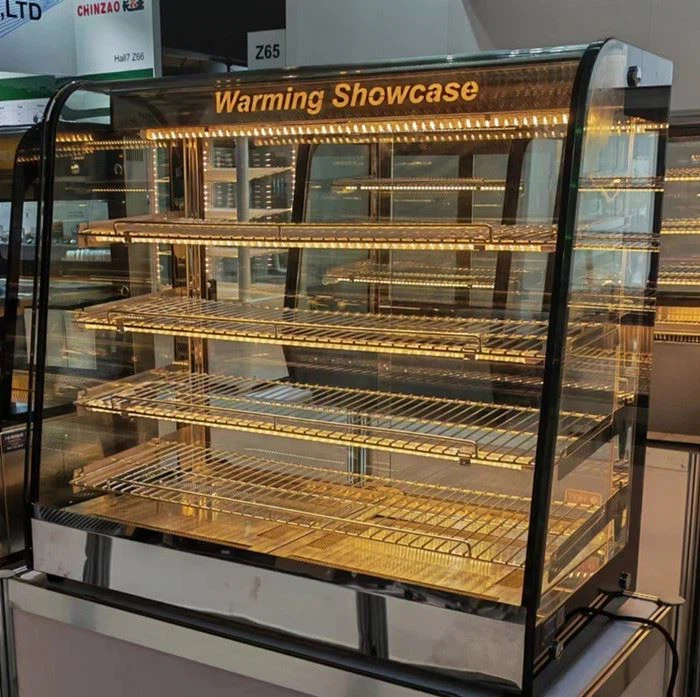
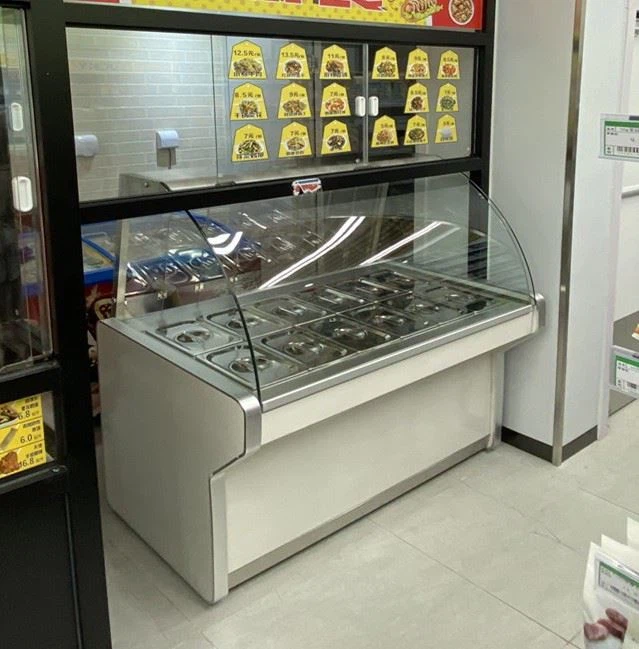
A food display warmer is a specialized appliance used in many food service settings to keep prepared foods at the ideal serving temperature while also showcasing them attractively. Food display warmer emphasize the appeal of food with features such as multi-layer shelving, interior lights, glass doors, or open fronts. They also keep products warm, extending food's shelf life and presenting customers with a tasty alternative to bottled, canned, and bagged snacks.






Advantages of Food Display Warmer
Food Safety Regulation Abidance
A food display warmer is more than a crowd-pleasing appliance. It's also a tool that will keep business doors open. Without a heated food cabinet, you're in danger of violating food safety regulations — a violation that could incur hefty fines or even suspend business operations. After cooking, all food must be stored at a temperature of 140º Fahrenheit. This is hot enough to keep food tasting its best and keep harmful bacteria from forming on served food.
Constant Food Availability
If your business's revenue depends on food sales, food must always be available during opening hours. Not only will empty food display cases turn paying customers away, but they will also hurt your business's reputation. Even if your goods can be stored at room temperature without violating food regulations, it's best to serve them hot if they taste better that way. Customers who wish to dine indoors may have to wait to have their food heated up. Others may need to eat right away and would be much more satisfied with a warm muffin than a tepid one.
Efficient Food Preparation
The logistics of hauling an entire kitchen's worth of appliances to a venue can be burdensome. But without food display warmers, the only way to keep food warm is to cook in smaller portions and serve as quickly as possible. This can be burdensome to your staff, especially if they're not all equipped to handle physical labour. It can also put a lot of strain on transportation fees, both because of gas consumption and potential truck rentals.
Food Waste Reduction
Compromised food must be thrown away, but your food doesn't have to spoil so easily. By preserving food and preventing it from spoiling, food display warmers minimize the amount of food you must throw away. Food waste is expensive for your business. It's also responsible for biodiversity loss in the environment and wastes 1/3 of our planet's farmland. However, solving America's food waste problem would feed 25 million people every year.
Ease of Use
Why use food display warmers over any other food-heating option? While you may be tempted to use a heating apparatus that you already have on hand, food display warmers are simply more effective at heating food. Users can utilize food display warmers' thermostats to precisely regulate the temperature of the food served. Food displays are also manufactured to be easy to clean, making the big cleanup after a big catering job a lot easier.
Types of Food Display Warmer
Pass-Through Cases
These heated display cases provide both front and rear customer access. With these, customers can access food from one side, while employees replenish the case from the other side.
Roll-In Cases
Roll-in heated display cases allow you to effortlessly accommodate pre-loaded racks of food. They’re especially useful in large establishments or during times of high demand.
Undercounter Cases
These display cases are quite compact and are designed to fit under countertops. They save space while still offering an eye-level view of food items for customers.
Countertop Cases
As the name suggests, these heated display units are made to be placed atop counters. They come in full-service models, self-service models, or combinations of the two.
Full-Service Cases
These are perfect for businesses with a focus on assisted sales. In a full-service heated display case, an array of food items are showcased behind a glass counter, with a service attendant on hand to serve customers.
Self-Service Cases
These cases allow customers to serve themselves. They often feature easy-to-open sliding doors for easy access.
Common Industries That Use Food Display Warmers
Food display warmers are essential in a wide range of industries, playing a crucial role in maintaining food quality and enhancing customer experience. For instance, hospitals and healthcare facilities heavily depend on food display warmers to serve warm, nutritious meals to patients and staff members throughout the day. By utilizing food display warmers, these establishments can ensure that food is kept at safe and optimal temperatures, meeting strict health and safety standards to prevent foodborne illnesses.
Moreover, schools and universities leverage food display warmers in their cafeteria settings to provide students with an array of hot meal choices. Whether it's a hearty lunch or a quick snack between classes, food display warmers enable educational institutions to cater to the diverse preferences and dietary needs of their student population. By offering freshly prepared and visually appealing hot dishes, schools can promote healthy eating habits and create a more engaging dining experience for students.
Additionally, event venues and stadiums capitalize on food display warmers to meet the culinary demands of attendees during concerts, sports events, and other gatherings. These venues utilize food display warmers to showcase a variety of hot snacks and meals, ranging from classic favorites to innovative culinary creations, enhancing the overall event experience for guests. The convenience and efficiency of food display warmers allow event organizers to efficiently serve large crowds while maintaining the quality and temperature of the food being offered.
The heat-resistant tempered glass on the four sides of food display warmer has a strong perspective and can display food in all directions, which is both beautiful and durable. It has a moisturizing design that keeps food fresh and delicious for a long time. High-efficiency thermal insulation design can evenly heat food and save electricity.
The whole machine adopts infrared thermal insulation lamps to enhance the display effect, and at the same time, it plays a sterilizing role to maintain food hygiene. The stainless steel material it uses is also convenient for users to clean, keep the display cabinets brand new, and ensure the effectiveness of exhibits.
Food display warmer uses an independent heating module technology for holding and heating food, which is characterized in that it provides an independent heating module, the bottom plate of which is connected to the housing, and the electrical enclosure, partition, fan enclosure, and electric heating tube are all fixed on the shell. At present, most commercial food insulation cabinets use air circulation heating systems. It uses a fan as the power of the hot air circulation. The hot air that passes through the fan impeller through the air return port, is heated in the electrical enclosure, and then is divided by the deflectors, blows down into the box from the air panels on both sides, and flows in through the air return ports. It is then heated again, and this cycle is repeated until the temperature inside the cabinet reaches a predetermined temperature. However, this method has shortcomings.
Due to the use of hot air circulation, the food surface in the box is easy to dry, and the noise of the fan is large, and the temperature difference between various points in the box is also large, which affects the thermal insulation performance. The new technology of food display warmer provides a method that can effectively overcome the above-mentioned defects, improve the system's thermal efficiency, the process is reasonable, the concept is clever, and the principle of naturally floating hot air is used to make the equipment manufactured by this technology more efficient and reach the set temperature in a short heating time. In addition, because it is an independent heating system, the installation, maintenance, and upgrade of the equipment are more convenient, which has great industrial promotion value.

In the food service industry, the distinction between food display warmers and commercial refrigerators lies in their specific functions and design features. For instance, food display warmers are strategically crafted with transparent fronts that allow for an enticing display of food items, attracting customers with their visual appeal. On the other hand, commercial refrigerators are built with solid doors to facilitate the long-term storage of perishable goods, ensuring they are maintained at precise temperatures to preserve freshness.
An illustrative example of this difference can be seen in a bustling bakery. The bakery might utilize a food display warmer to showcase freshly baked pastries and pies, enticing customers with a clear view of the delectable treats on offer. In contrast, behind the scenes, a commercial refrigerator would store additional batches of these pastries, maintaining them at optimal temperatures until they are ready to be displayed in the hot food case. This demonstrates how each appliance plays a unique role in the food service setting, with the food display warmer focusing on immediate presentation and the commercial refrigerator prioritizing storage longevity.
When using a food display warmer, there are several key tips to ensure optimal performance. One effective method is to place a damp cloth under the food pans, as this helps prevent food from sticking and preserves the moisture levels of the dishes. For instance, when keeping a batch of chili warm in a food display warmer, placing a damp cloth underneath the pan can prevent the chili from drying out and sticking to the container, maintaining its quality.
Additionally, rotating dishes regularly inside the food display warmer is crucial for even heating and to prevent cold spots. For example, in a buffet setup where various dishes are being kept warm, rotating the food pans ensures that all items are heated uniformly, maintaining their flavors and textures. This practice is especially beneficial when using a steam table food display warmer to display and serve multiple hot food items simultaneously.
Moreover, it is essential to avoid overcrowding the food display warmer to facilitate proper air circulation and heat distribution. This prevents some items from becoming overheated while others remain under-heated. For instance, in a commercial kitchen setting, when using a buffet food display warmer to keep several entrees warm, ensuring adequate space between the pans allows hot air to circulate evenly, keeping all dishes at the ideal serving temperature. By following these tips, individuals can make the most of their food display warmer, ensuring that the served dishes are consistently delicious and satisfying.

Top Tips to Help You Choose the Right Food Display Warmer
Decide What You’ll Put in Your Heated Display Cases
The first thing you need to do when considering a heated display case is what you want to use it for. This will often depend on the kind of business or eatery you run and whether you do self-service. For example, a café will have different needs than a buffet. A small café or deli might want to offer some warm sweets or savouries to their customers.
Do Your Customers Need Easy Access?
This is a huge question you need to ask yourself. Do your customers need easy access to your hot food displays? Believe it or not, this will make a difference in the type of display case you get. A lot of cases open only from one side. So if you get one like that, you have to decide how to orientate it. If you face the door or opening towards the employees, then the customer can’t do self-service. On the other hand, if the opening faces out toward the customer, then that makes it awkward to restock.
Do You Want Customers to Self-Serve?
That said, you might have a good reason for wanting to maintain control. Some of the items you put in your case might present a burn danger if handled the wrong way. Customers could also burn themselves if they touch the wrong part of some units. The hot case used for rotisserie chicken might be a prime example.
Think About Size
Spare a thought about size, because it does matter here. Of course, you need the physical space to place your chosen units, but there’s more. It would help if you thought about how much can fit in the case and how you plan to arrange things. A food display warmer is a serious investment. You can’t go into it without knowing all the details.
Look for Temperature Controls
Your staff needs to be able to reach the temperature controls without hassle, and you also want them out of reach of customers. There are serious safety reasons for this, but it also saves everyone a big headache. Every hot case is also different. It isn’t as simple as having only an on-and-off switch.
Consider Versatility
It would be best to consider versatility when buying a hot food display. We’ve talked about this throughout the article, but you want to get exactly what you need. You also want to get your money’s worth. Some units are one-trick ponies. They come in as small boxes with some racks or shelves. These are the ones you see at the gas station, holding hot dogs.
Lighting is Important
This is our last major tip, but it might be one of the most important. If you think about what display warmers do, you might assume they only keep food hot. But, in reality, they do something even more important. Hot cases make food look attractive. Warm, toasty, smelling great, and importantly – well-lit. The lighting on your food display warmer could make all the difference to how well your food sells.
Must-Follow Maintenance Techniques for Long Lasting Food Display Warmers
Daily Exterior Cleaning
Most countertop food display warmer breakdowns stem from a lack of cleaning or improper cleaning. Daily exterior cleaning is imperative especially when dealing with greasy, buttery, and sugary products.
If you have ever done any soldering, you know the solder flows toward the heat. Same thing happens here. As the fats and food product break down from a solid to liquid, they flow toward the heat.
From there, food product seeps into the unit and around electrical components. Best-case scenario, this may only cause the unit to smoke. Most often, seepage eventually damages thermostats, thermal cut-outs, switches, or wiring, which leaves operations with a non-operational warmer until replaced or fixed.
Daily Water Basin Cleaning
If your warmer utilizes a water bath, empty and clean – or, at the very least, rinse – the basin daily. Hard water deposits will cause vessel failure. It may seem like adding water to existing will do no harm, but the minerals in fresh water don’t evaporate, so they build up over the course of several refills. Rinsing and washing will remove them completely.
If someone knows their local water is extremely hard it is best to use softened water if available. The deposits of hard water can and will corrode even the best stainless steel if they are not removed. Leaving them in the vessel then heating it just speeds the process.
Cleaning Materials to Avoid – and What to Use Instead
Daily cleaning only matters if you use the right tools.
Do not use:
● Steel scouring pads
● Wire brushes
● Metal Scrapers
● Cleaners containing acids, alkalines, chlorine or salt
These supplies damage the stainless-steel surface, which can lead to corrosion. Another analogy is like a tooth – we have a protective enamel around the tool that protects the tooth structure, once that enamel is worn away, it’s a fast route to tooth decay.
Use instead:
● Non-abrasive cloth
● Mild dish detergent or spray cleaner
● Mildly abrasive nylon or brass brush ONLY for stubborn food or mineral deposits on unit interior
As a parting word of wisdom, be sure to thoroughly rinse any areas you have cleaned. Heating cleaner residue can damage the water vessel’s protective film.
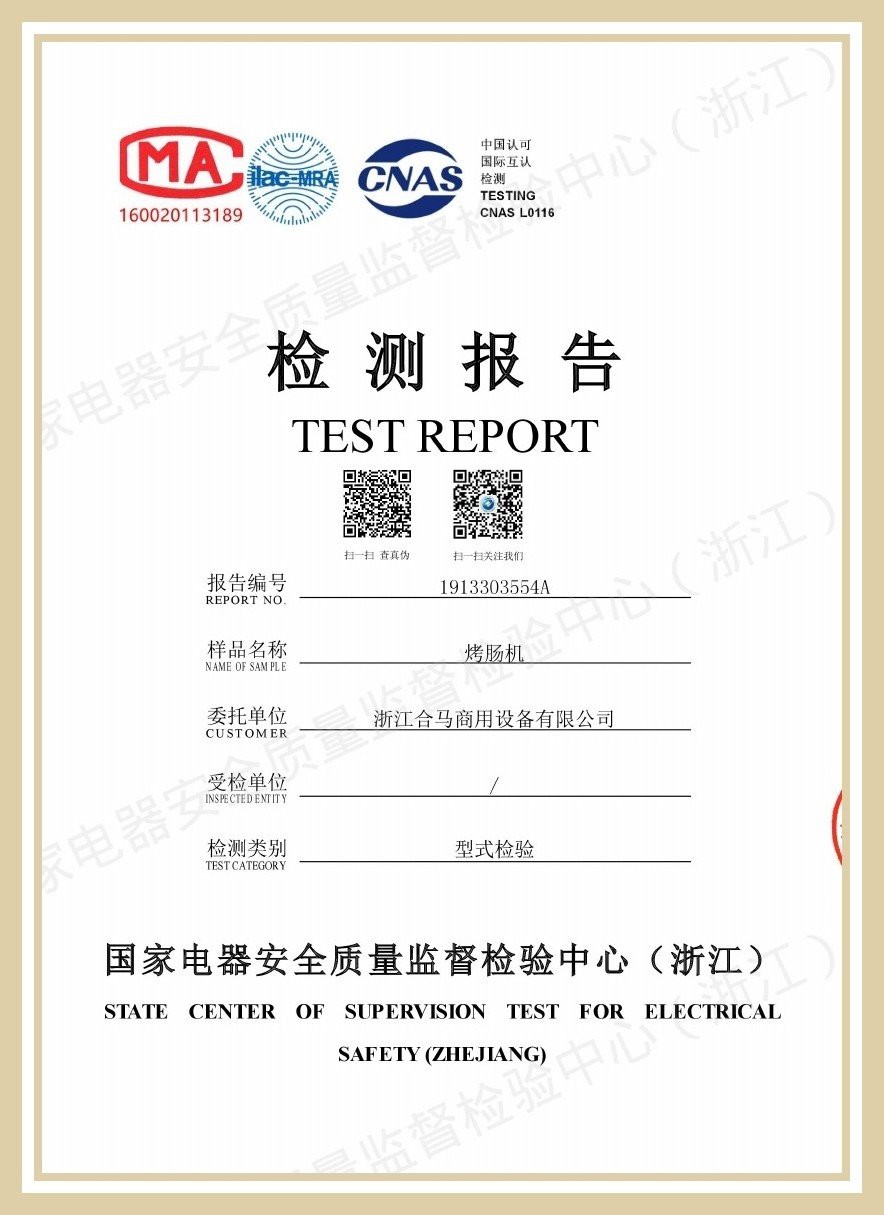
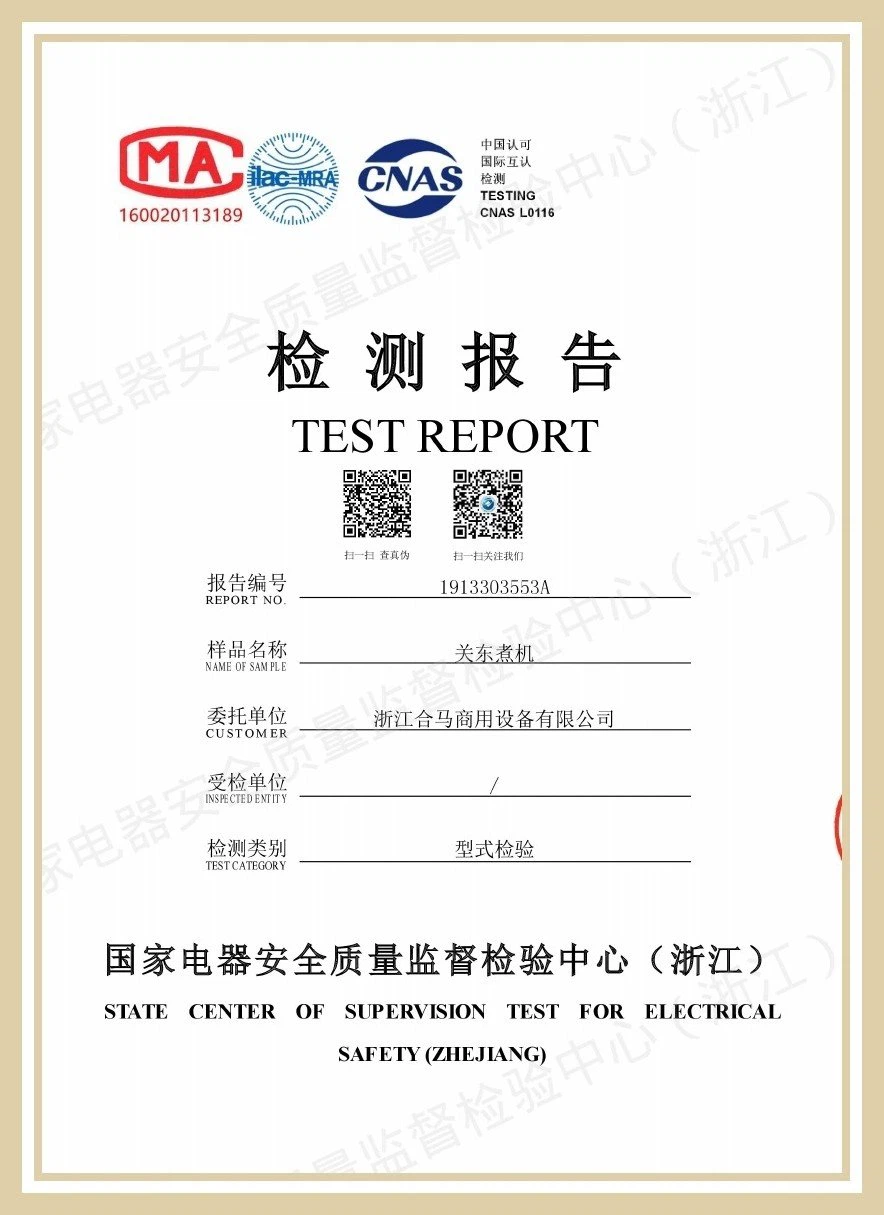
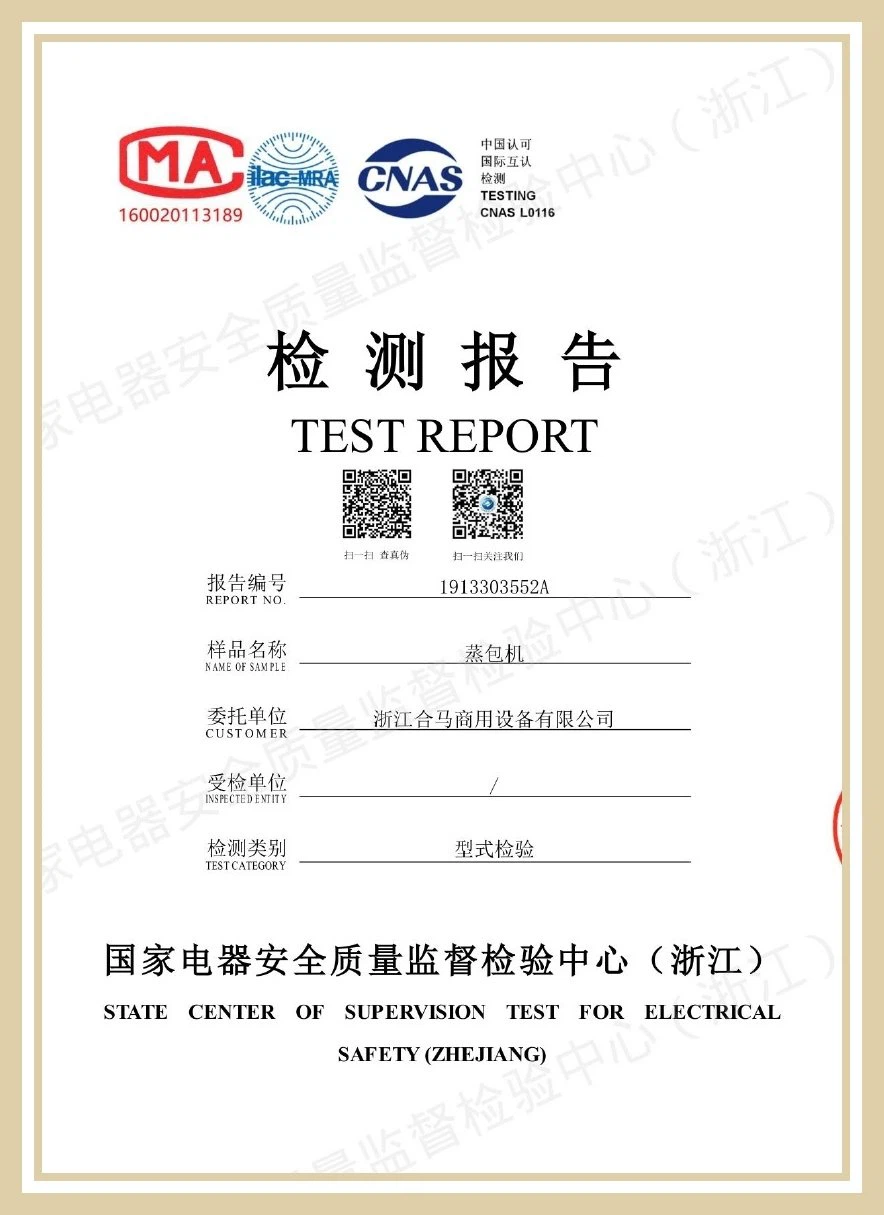
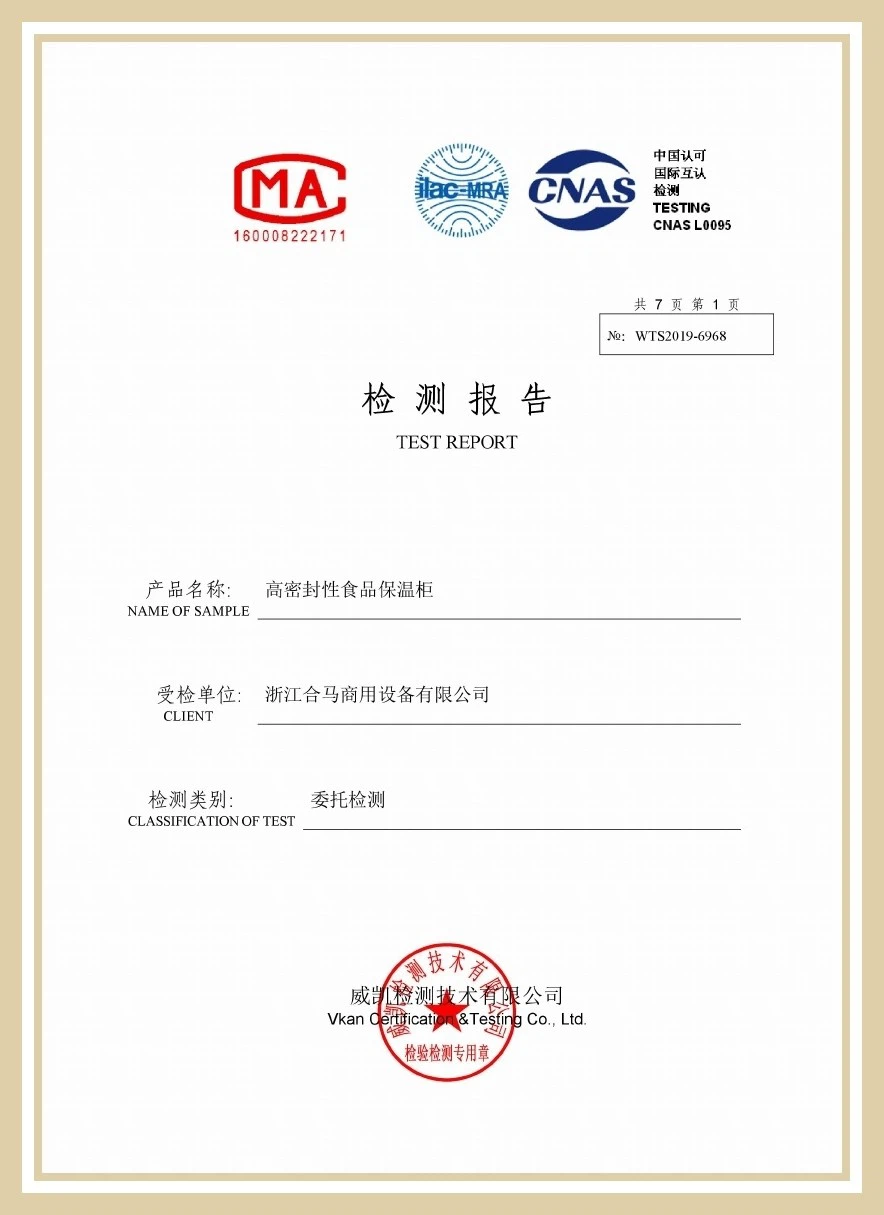
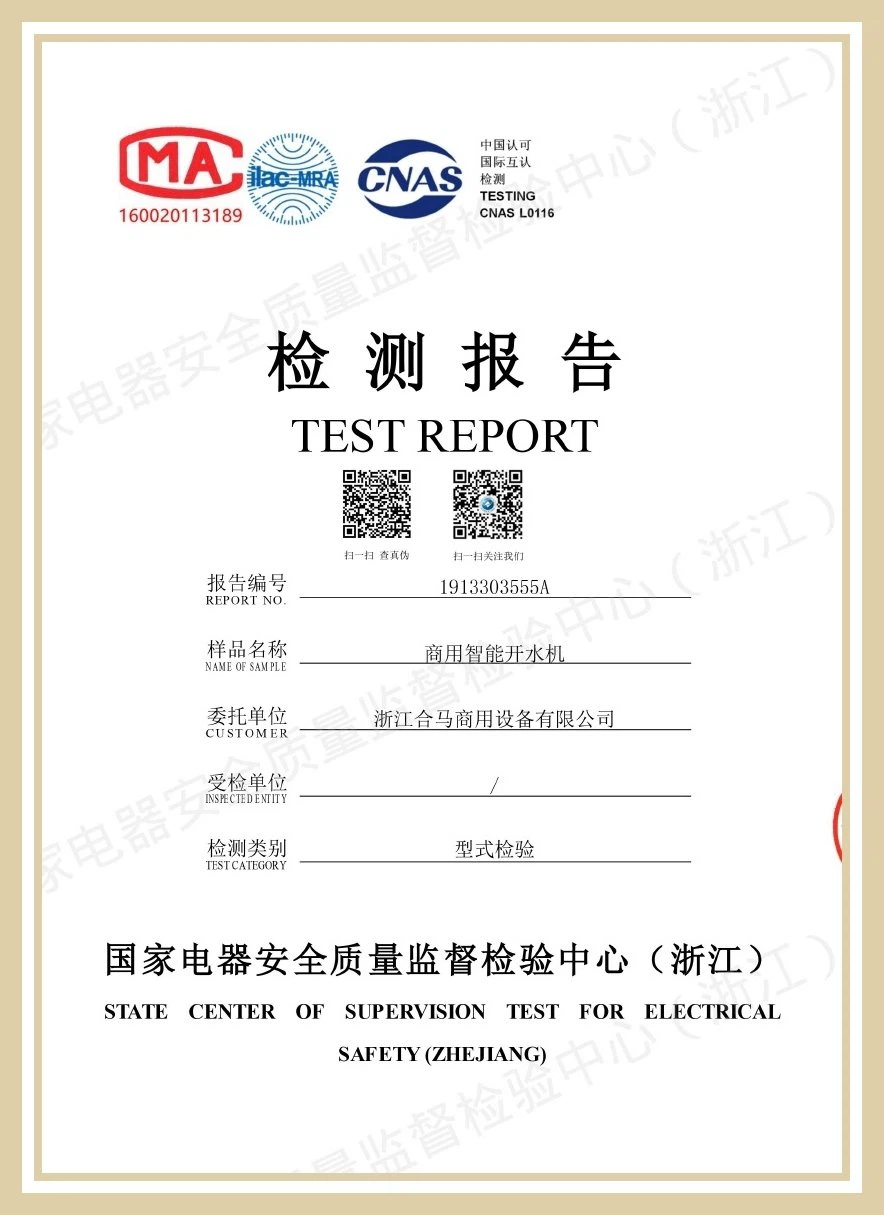
Our Certifications

Our Factory
Established in the year 2010, Hema have 12+ years experience in commercial food service equipment industry. We specialize in manufacturing and selling commercial kitchen equipment, fast food equipment, restaurant and hotel equipment. With qualified team in engineering, production and after-sales service, we supply many international convenience store, fast food store, restaurant and cafe shop with high quality products and service. We are the leading supplier of equipment for convenience store in China. Over 20,000 brand stores have used our products.


Ultimate FAQ Guide to Food Display Warmer