





Microwave Oven
Why Choose Us?
Rich Experience
Established in the year 2010, Hema have 12+ years experience in commercial food service equipment industry.
Professional Technical Team
We own 15 utility model patents, with a professional Engineer tam, we design the products by ourselves, we also accepted OEM & ODM Order.
Wide Product Range
We specialize in manufacturing and selling commercial kitchen equipment, fast food equipment, restaurant and hotel equipment.
Wide Range of Applications
We are the leading supplier of equipment for convenience store in China. Over 20,000 brand stores have used our products.
What is Microwave Oven?
A microwave oven or simply microwave is an electric oven that heats and cooks food by exposing it to electromagnetic radiation in the microwave frequency range. This induces polar molecules in the food to rotate and produce thermal energy in a process known as dielectric heating.


5 Advantages of Cooking with a Microwave Oven
Saves Time
One of the most significant benefits of owning a microwave oven is that it saves time. Microwave ovens can cook food in a matter of minutes. It's perfect for those nights when you don't have much time to cook or for reheating leftovers quickly. They are also excellent for defrosting frozen food quickly. Instead of waiting hours for your food to thaw, you can use your microwave to defrost it in just a few minutes. This is particularly helpful if you forget to take something out of the freezer earlier in the day.
Retains Nutrients
When you cook food in a microwave, you're actually preserving more of the nutrients in the food than you would if you cooked it on a stove or in an oven. That's because microwaving food cooks it quickly and at a lower temperature, which helps to retain the nutrients that would otherwise be lost through more extended cooking methods. Research has shown that microwaving vegetables, for example, can help to preserve more of their vitamins and minerals than boiling or steaming them. So, if you're looking for a way to cook healthy meals quickly, a microwave oven is an excellent choice.
Easy to Clean
Another benefit of microwave ovens is that they're easy to clean. Most microwave ovens have a removable turntable that can be washed in the sink, and the inside of the oven can be wiped down with a damp cloth or sponge. This makes it easy to keep your microwave clean and hygienic.
Versatile
We love investing in home appliances online that are versatile, and microwave ovens are great in this regard. In addition to cooking and reheating food, they can also be used to make popcorn, melt butter, and even bake cakes and other desserts. There are also many microwave-safe cooking vessels and containers available, including steamers and popcorn makers, which can help you get the most out of your microwave oven.
Energy Efficient
Finally, microwave ovens are energy efficient, which means they're good for both your wallet and the environment. Because they cook food quickly and at a lower temperature, you could save on your energy bills. So, if you're looking for a way to reduce your energy consumption and lower your carbon footprint, a microwave oven is an excellent choice.
Types of Microwave Oven
Solo Microwave
A solo microwave is a basic type of microwave that is ideal for reheating food, cooking or defrosting. However, it cannot grill or bake. Usually very cost-effective and power-efficient, solo microwaves do not come with any special features. Perfect for people who only prefer a microwave for reheating their food, a solo microwave is a turn down for bakers and people who enjoy grilled, roasted, and crisp foods.
Grill Microwave
As understood by its name, a grill microwave is the one that is capable of grilling, searing and browning foods in addition to defrosting, reheating and cooking. However, grill microwaves are not effective at baking and hence, not like convection microwaves. Although a few microwave brands have launched microwaves with a convection oven function, a lot of options are not available in that case.
Grill microwaves are perfect for people who are looking for a microwave that can grill as well as reheat food but are not baking enthusiasts. It wouldn't be wrong to say that a grill microwave lies in between a solo and convection microwave.
Convection Microwave
A convection microwave is a perfect solution for people looking for a microwave that not only reheats or cooks food but also grills and bake. Although expensive, these days you can find convection microwaves at great deals and discounts and can save a lot on electricity bills if you purchase a 5-star model. This type of microwave is extremely versatile in its functions and features and offers you unlimited ways of using it.

Application of Microwave Oven
Reheating food
The number one use of a microwave oven by far is to reheat food. A microwave oven is very efficient at reheating food, retains essential nutrients and doesn’t make food soggy. In fact, microwaves work great in reheating just about any kind of food.
Cooking
While most people usually consider their cooktops and stoves for cooking, you can actually cook a lot of foods in your microwave ovens. The versatility of a microwave oven allows you to do all this without needing separate kitchen appliances.
Disinfect kitchen items
You probably don’t know it, but microwave ovens can help to disinfect kitchen items such as plastic cutting boards and sponges. Just soak your sponges and cutting boards in some lemon juice and heat them in a microwave for a minute. This will both disinfect as well as deodorize your kitchen items.
Making citrus fruits juicier
Another great thing you can do with a microwave oven is to make citrus fruits juicier. So, the next time you take a lemon or orange out of your refrigerator, don’t juice it immediately. Microwave the fruit for just 20 seconds, and you’ll be able to squeeze out a lot more juice!
Heating beauty products
Certain beauty products feel much better on the skin simply if they are heated up before application. While warming up beauty products can be inconvenient otherwise, a microwave oven makes things much simpler and less messy. You can use a microwave to heat up facial masks, hot oil conditioning packs and reheat gel packs easily and safely.
Roasting garlic
If you’re a foodie, then no doubt you love roasted garlic on many of your dishes. While roasting a bulb of garlic takes about 45 minutes, you can do it in 8 minutes using a microwave. Just season your garlic bulb, cover it with plastic wrap, roast it and you’re done!
De-crystallising honey
Have you ever struggled with honey that has solidified? I used to until I turned to Google and found that a microwave is an ideal solution when it comes to de-crystallising honey. Just grab your jar of solidified honey, open the lid and microwave it for about a minute. You’ll never have to throw away honey again!
Proofing yeast
Proofing yeast normally takes over an hour, but you can do it in 15 minutes using a microwave oven. However, to do this, don’t just set your microwave to 15 minutes. Instead, set your microwave to 3 minutes and then allow the dough to stand for 3 minutes. Then, heat it again for 3 more minutes but let it rest for 6 minutes. This will double the bulk of your dough.
Turntable
The turntable is the round plate in the cooking cavity that rotates to help cook food evenly. Make sure the turntable is always securely in place before placing meals on it and using your microwave.
Magnetron
The magnetron produces the actual microwaves that reflect off the cooking cavity walls and flow through the turntable and cookware to the food. These waves interact with the food to produce heat and friction, which cooks your meals.
Voltage transformer
Since most electrical outlets use about 120 volts of electricity, a voltage transformer converts this into a higher voltage for fast heating and cooking. Most microwaves require 3,000 to 4,000 volts to function properly.
Waveguide and waveguide cover
The waveguide directs the flow and transports the actual microwaves to the cooking cavity.
Cooling fan
A cooling fan keeps your microwave cool, and it automatically kicks on when you are using your appliance. These types of microwaves also have a separate vent fan that helps to remove moisture and odors from the cooktop below it.
Cooking cavity
The cooking cavity is the compartment inside your microwave where you heat, defrost and cook meals. Regularly cleaning the interior of your microwave is key in order to keep it functioning optimally.
Power cord
No matter the type of microwave you have, the power cord gives it the ability to cook, re-heat, defrost and more. Most microwaves will need a grounded 3-prong outlet with a 120 volt and 15 or 20-amp electrical supply.
Control panel
A microwave control panel is the exterior display that has buttons for using your microwave, like timed cooking, defrosting and convenient preset options for heating pizza, popcorn, frozen entrees and more.
Door
A microwave door has a window for you to view your food while it cooks and rotates on the turntable. If this occurs, a message will display on your control panel. Simply open and close the door to reset. If your microwave is running, opening the door will stop that cooking cycle.
Microwave ovens have an electron tube called a magnetron that produces microwaves inside. The microwaves are reflected in the metal inside of the oven and are absorbed by the food. Microwaves make water molecules in your food vibrate, which produces the heat that cooks the food. That’s why foods with high water content like vegetables can be cooked quickly.
Though your food absorbs microwave energy, it doesn’t make it “radioactive” or “contaminated”. Microwaves use non-ionizing radiation, which moves atoms in a molecule but doesn’t remove electrons. Microwave radiation can’t alter the chemical makeup of your food. This means there’s no harm in using your microwave and eating food cooked by it. The variety of microwave oven uses are helpful when making quick meals.

10 Important Tips For Cooking in a Microwave Oven
● Arrange the food so that they are cooked evenly. For instance, arrange foods of the same size and shape, like potatoes, in a circle or square with space between them and no item in the center. This will evenly cook all the potatoes present inside the container.
● Cover the dishes as it eliminates splattering while also cutting down on cooking time.
● To evenly distribute the heat, frequently stir, turn, and rotate the food or food items.
● Cut the food into small pieces, if possible as they cook more quickly than the large ones.
● Before cooking make sure you use a fork to pierce foods that have skin (like potatoes, hot dogs, and sausages). This allows the steam to escape which could otherwise lead to sudden popping and splattering.
● When thawing food, make sure to select the defrost power option. This will guarantee that the food defrosts gradually and evenly. Turning and rotating the food as it defrosts is also beneficial.
● Don’t use traditional metal cookware in your microwave because it can’t pass through metal and plastic as well. Instead, use microwave-safe containers.
● Avoid using too much water to clean the inside of a microwave. Instead, damp tissue and a light sprinkling of mild soap could suffice.
● Avoid heating in square or rectangular containers as the corners tend to receive more energy and cook your food unevenly.
● Last but not least, make sure you follow the manufacturer's operating rules and safety recommendations before using the product.

The Most Common Parts that can Break on a Microwave Oven
Magnetron
The magnetron is the heart of a microwave oven. It is responsible for generating the electromagnetic waves that heat the food. Over time, the magnetron’s performance can degrade due to extensive use, leading to uneven heating or complete failure. Common signs of a failing magnetron include strange noises during operation or the microwave not heating food properly.
Door switches and latches
The door switches and latches play a crucial safety role in microwaves. When the microwave door is opened during operation, these switches should cut off power to the magnetron, preventing accidental exposure to microwave radiation.
Turntable and motor
The turntable is the rotating glass plate inside the microwave that ensures even cooking by distributing the microwaves uniformly. The motor responsible for turning the turntable can wear out over time or get clogged with food debris. A malfunctioning turntable can result in unevenly cooked food.
Control panel and keypad
The control panel and keypad are the user interfaces of a microwave oven. They allow users to set cooking times, power levels, and perform various functions. With frequent use, the buttons on the control panel may become unresponsive or start to wear out, making it challenging to input commands accurately.
High voltage capacitor and diode
The high voltage capacitor and diode work in tandem to convert the electrical power from the transformer into the high-voltage power needed by the magnetron. When these components fail, the microwave may experience issues such as no heating, loud buzzing sounds, or sparks inside the oven.
The Considerations for Buying Microwave Oven
Kitchen size and fit
Though all microwave types come in a variety of sizes and capacities, be sure to consider where in the kitchen you have the most space and how you’d like to streamline the cooking process. Kitchens with limited counter space might benefit from built-in models that tuck the microwave away, whereas those with limited or low-hanging cabinetry may make the most of their space with a countertop model.
Style
Your kitchen’s existing aesthetic can be a great guide for choosing the right microwave for your home. Models are often available with white, black or stainless steel exteriors and modern or more traditional design elements. Microwaves helps elevate your kitchen even more with a sleek, seamless install that sits flush with standard cabinet depths.
Features
Pre-programmed settings, defrost settings, sensor cooking and other features can make cooking more convenient and eliminate some of the guesswork, but only if they’re features that support your family’s cooking routines. When reviewing types of microwaves, consider how often your family might take advantage of a particular model’s feature set to avoid paying more for features that sit dormant.
Installation requirements
The right microwave for your kitchen may be contingent on what kind of installation process you’re willing to take on. If you value convenience and portability in the process, a model with a simple setup may be the way to go. Keep in mind that some microwave types may require professional installation assistance, especially if ductwork is required.
Power and wattage
More powerful microwaves cook food faster than those with lower wattages. If you often make meals and snacks that might benefit from more even cooking and faster cook times, it may be worth paying a little more for a microwave with the power to handle your family’s favorites.
Budget
If you’re on a tight budget it may be best to steer clear of higher price point configurations like wall oven and microwave combination units or under-cabinet models. Luckily, most microwave types come in less expensive standard models and pricier, more premium models.
6 Microwave Oven Care And Maintenance Tips You Should Know
Keep it clean
This is one of the easiest ways to increase the longevity of your microwave. Food and liquid spatter can absorb energy leading to burn spots which can damage components of the microwave. Liquid spills can cause the inner metallic surface to rust through eventually which spells the end of its life.
Choose dishware carefully
Nothing metallic should ever be put in your microwave. This includes aluminium foil, metal, and dishware with silver or gold accents. The waves emitted from the oven bounce off of metallic materials so having metal objects in the oven just causes the interior to heat up unevenly which can cause damage. Materials that are not microwave-safe can cause fire or explosions so for the sake of your own safety and that of your microwave don’t use them.
Prevent door damage
Doors are by far the most abused part of the microwave. Closing the door carelessly like slamming them or using your elbow may damage the latches. Opening the door while it’s running can also result in a blown safety fuse. It’s best to cancel the operation timer entirely before opening the door.
Use preset cooking times
People rarely use the preprogrammed cooking times which is a mistake because they are designed to make the most efficient use of the microwave, minimizing energy loss and heating the food as effectively as possible. This is especially important when thawing food.
Never run it on empty
Running a microwave without anything inside it can cause serious damage. When it’s running on empty, the interior and its components absorb the heat thus produced. This is harmful to it because its components are not designed to withstand that level of heat exposure.
Surge Protector
Plug your microwave into an electric surge protector or unplug it when it is not in use. This will keep it safe in the event of power fluctuations. It’s also good practice to regularly check the cord to make sure that it has not become frayed or cracked.
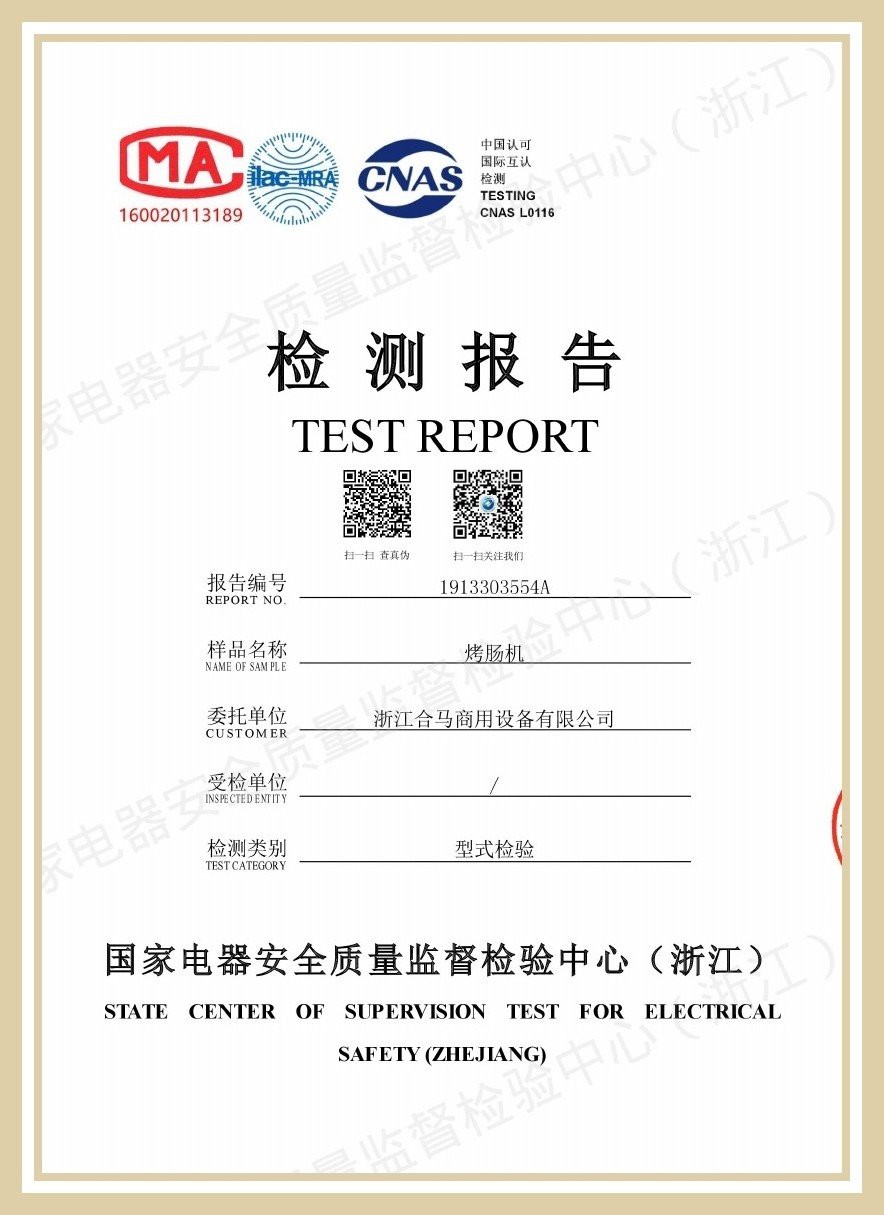
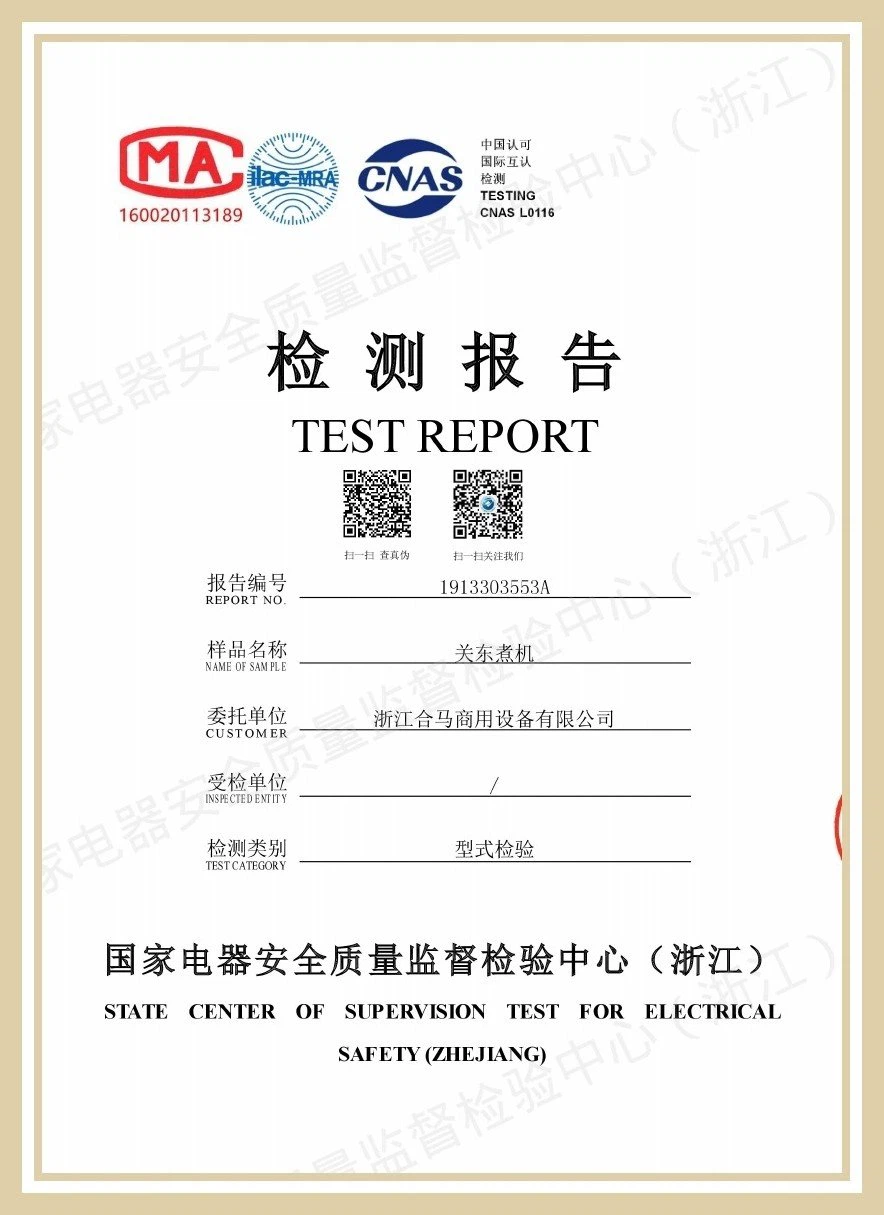
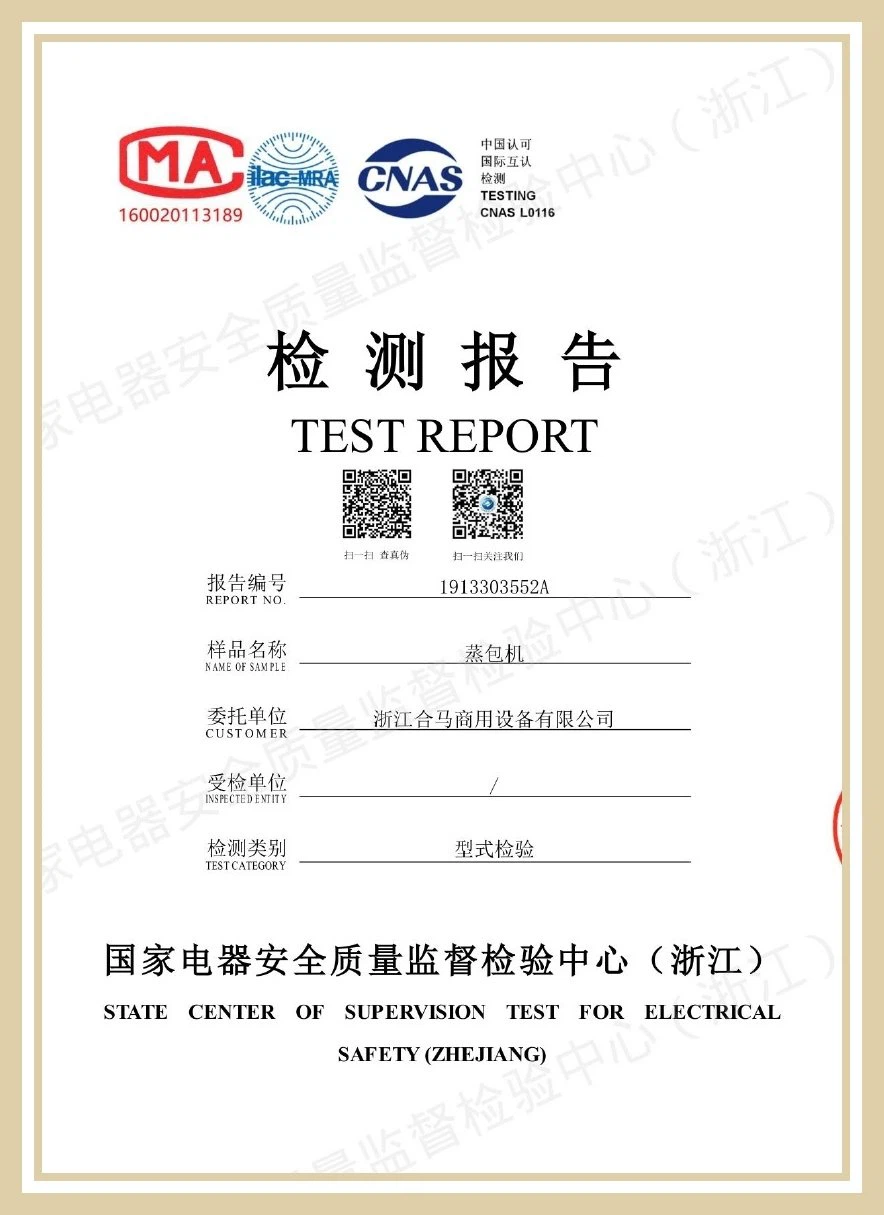
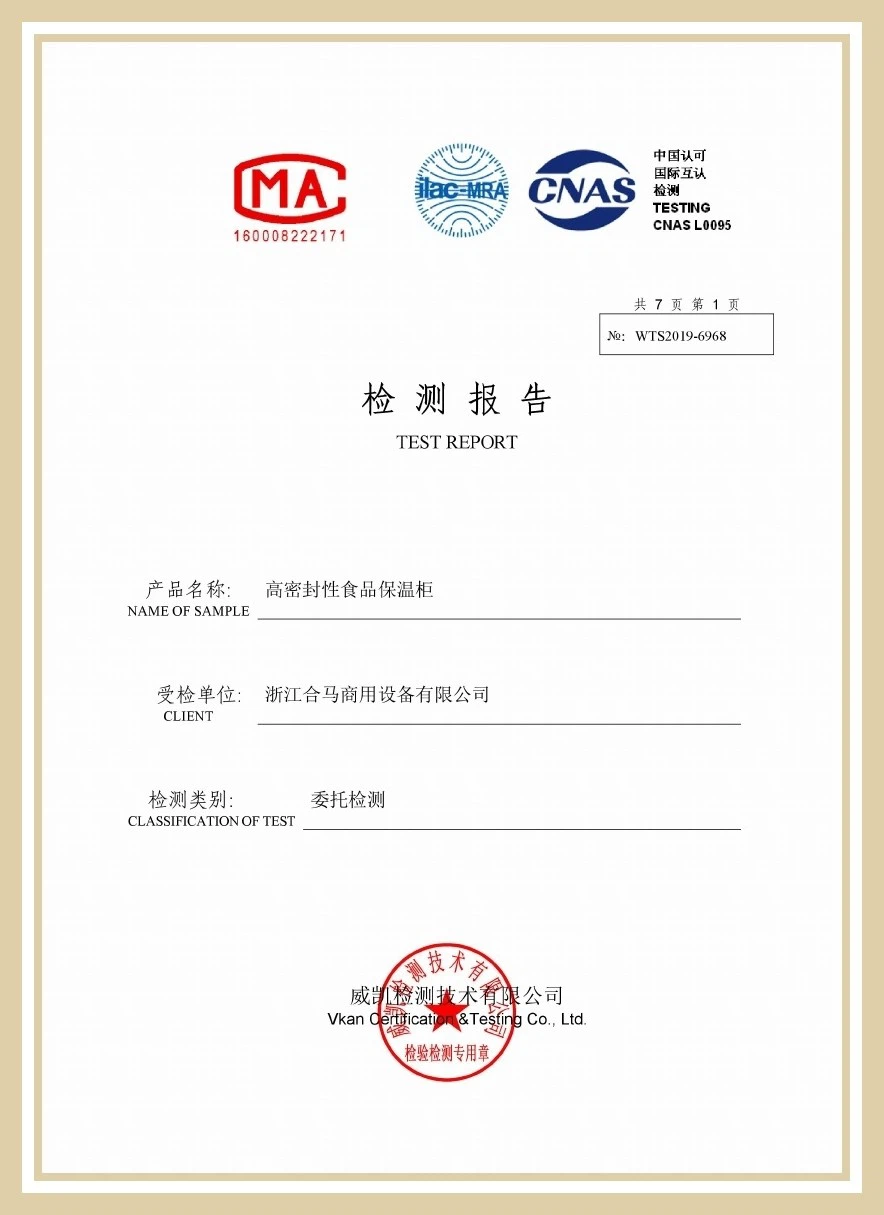
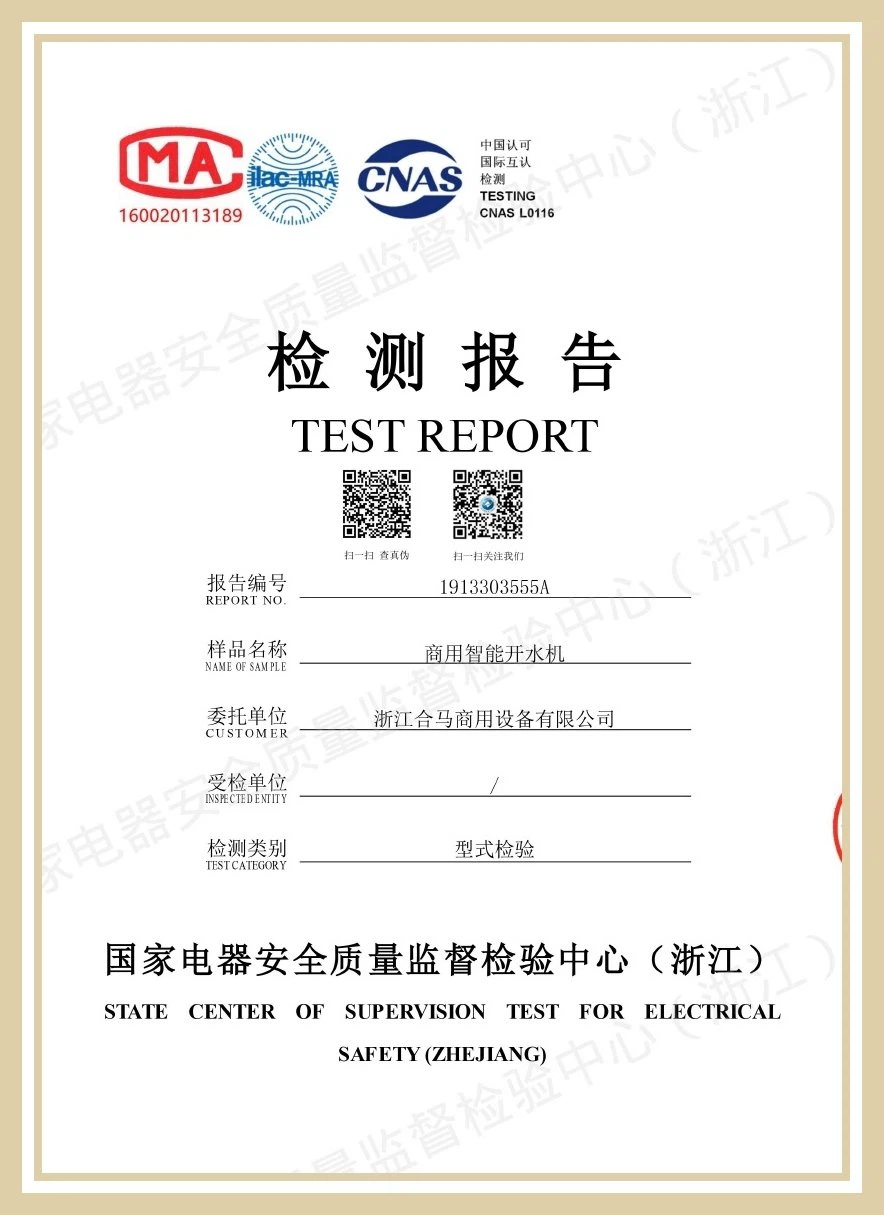
Our Certifications

Our Factory
Established in the year 2010, Hema have 12+ years experience in commercial food service equipment industry. We specialize in manufacturing and selling commercial kitchen equipment, fast food equipment, restaurant and hotel equipment. With qualified team in engineering, production and after-sales service, we supply many international convenience store, fast food store, restaurant and cafe shop with high quality products and service. We are the leading supplier of equipment for convenience store in China. Over 20,000 brand stores have used our products.


Ultimate FAQ Guide to Microwave Oven